
Is It Too Late to Buy TMC The Metals Company After Its 32% Rally?
 2026-08-27 16:15
•Steven Porrello •The Motley Fool
••• ••
2026-08-27 16:15
•Steven Porrello •The Motley Fool
••• •• Axe Cap view
TMC The Metals Company: Too Early to Bet After the Rally?
Despite a strong 32% gain, TMC faces steep hurdles before it can turn critical metals demand into profits.
TMC's recent 32% rally might look tempting, but this is far from a safe play. The company is sitting on no revenue, burning cash fast, and only has enough to last about a year. Its business depends heavily on getting a U.S. commercial recovery permit by late 2027 for deep-sea mining—a regulatory hurdle that’s anything but guaranteed given fierce international opposition. Globally, the need for metals like nickel and cobalt to feed electric vehicles is undeniable, which underpins the sector's long-term allure. However, South African miners like AngloGold Ashanti or Sibanye are in a stronger position today, generating real cash and navigating more straightforward regulatory environments. If you want exposure to critical metals, these counters or even tracking the USD/ZAR (rand weakness could assist exporters) offer less speculative paths. The risk with TMC is that all the positives hinge on approvals years away. This story could unravel quickly if regulations tighten or funding dries up. this is just our opinion and not financial advice
Avoid TMC for now and favor established miners with proven cash flow. Watch USD/ZAR for rand moves that impact export-heavy resources.
- TMC
- USD/ZAR
- AngloGold Ashanti
- Failure to secure U.S. commercial recovery permit by 2027
- Increasing international regulatory opposition
- Cash burn leading to dilution
6/10
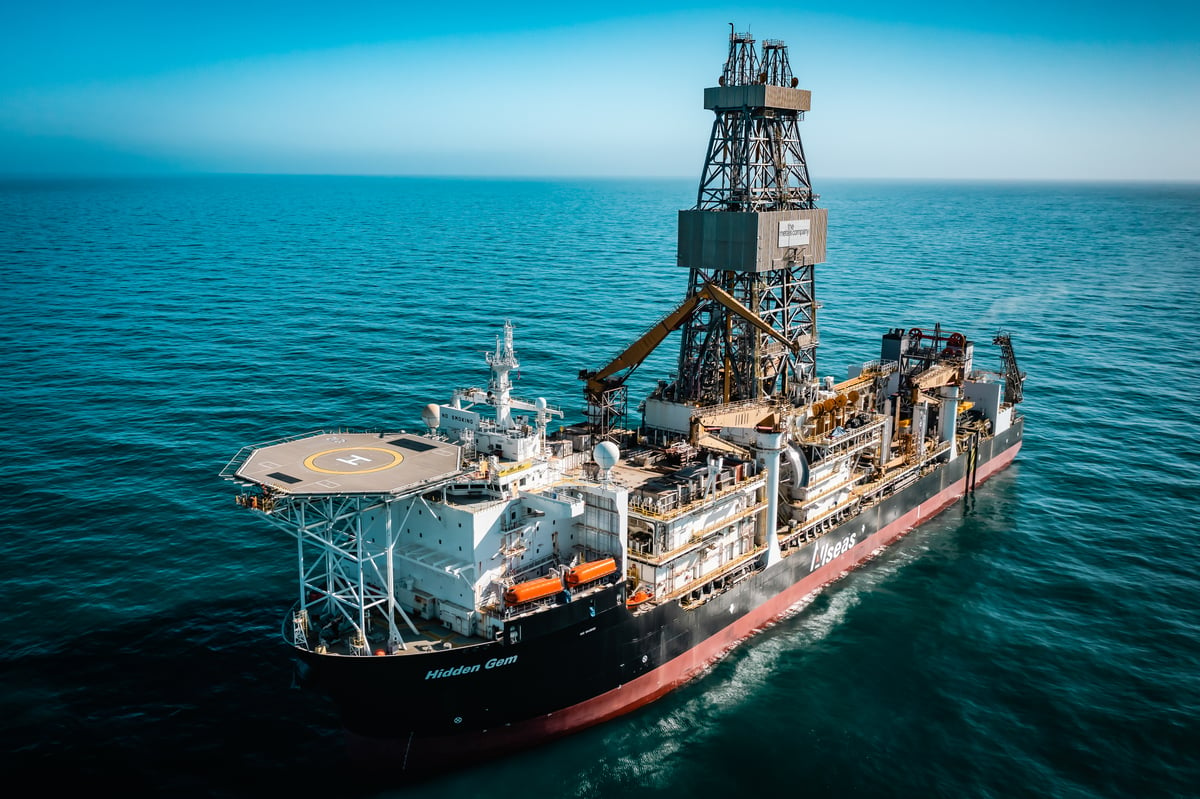
TMC The Metals Company has gained 32% recently after narrowing losses in Q2, but faces significant challenges. With zero revenue, a dwindling cash pile lasting only 4-5 quarters, and no regulatory approval for seafloor mining, the company's future hinges on obtaining a U.S. commercial recovery permit expected by late 2027. While global demand for critical metals supports long-term potential, substantial regulatory and international opposition risks remain.
Our take is based on reporting first published by The Motley Fool.