
Investors Just Got Bad News From the Federal Reserve. Here's What History Says Comes Next.
 2026-10-23 10:04
•David Dierking •The Motley Fool
••••••••• •
Axe Cap view
Fed’s Higher Rates: What SA Investors Should Watch
The Fed’s plan to keep rates high longer will reshape global markets, with clear implications for the rand and JSE sectors.
The Federal Reserve’s signal that it will keep interest rates elevated through mid-2027 is a curveball for markets. Globally, this tends to pressure growth stocks, especially tech, but South African investors should focus on the rand and domestic financials. The USD/ZAR often strengthens when the Fed tightens, making imports pricier and feeding local inflation. This is a challenge for consumer-focused stocks like Shoprite and Woolworths, which already face higher input costs. Banks such as Standard Bank and FirstRand might weather this better, as higher rates can expand their lending margins. Yet, persistent global inflation around 4% keeps the crowd cautious, and any slowdown in US growth could spill over to commodity-linked shares like AngloGold Ashanti. The big question is how long earnings hold up, especially for Prosus and Naspers, given their heavy tech exposure correlated with US markets. If inflation eases faster or global growth stalls, the rand could weaken, upending these views. this is just our opinion and not financial advice
Hold on to financial stocks like Standard Bank and FirstRand, which benefit from rising rates, while trimming exposure to consumer staples and highly tech-reliant names such as Prosus. Keep an eye on USD/ZAR as your risk barometer.
- USD/ZAR
- Standard Bank
- Prosus
- Faster-than-expected global growth slowdown
- Unexpected drop in inflation easing, prolonging rand weakness
7/10
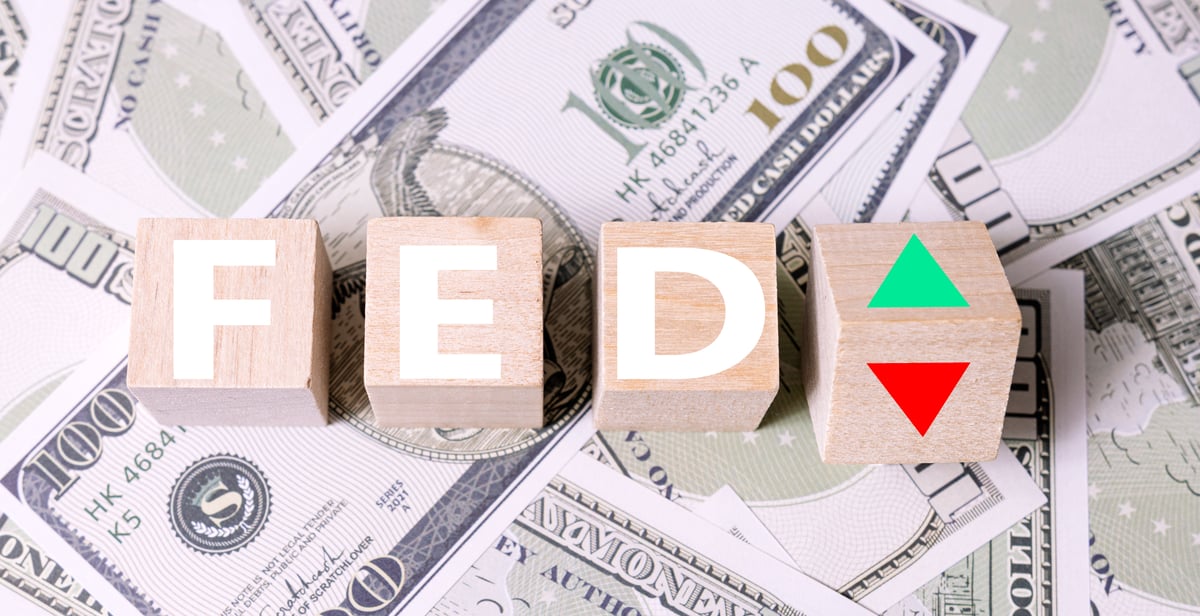
The Federal Reserve plans to maintain higher interest rates for longer, with three more quarter-point increases expected by mid-2027. While higher rates typically pressure stock prices, historical precedent shows market outcomes depend on corporate earnings growth and economic conditions. The S&P 500 remains near all-time highs due to AI-driven earnings, but uncertainty about AI spending cycles and inflation trending toward 4% create risk. Investors are advised to maintain a buy-and-hold strategy and review portfolio concentration in tech and growth stocks.
Our take is based on reporting first published by The Motley Fool.