
Is Centrus Energy Too Cheap to Ignore Right Now?
 2026-07-30 18:05
•Jeff Siegel •The Motley Fool
• •
2026-07-30 18:05
•Jeff Siegel •The Motley Fool
• • Axe Cap view
Centrus Energy’s U.S. Nuclear Edge: A Rand Investor’s View
U.S. nuclear fuel monopoly Centrus Energy looks compelling but ties to South African markets remain far from direct.
Centrus Energy is the sole U.S. company licensed to produce advanced nuclear fuel (HALEU), securing a rare monopoly backed by a substantial $3.9 billion backlog and a $900 million Department of Energy contract. This positions the firm to benefit from America's push into nuclear energy, especially for next-gen small modular reactors. From a South African perspective, there’s no listed nuclear fuel supplier to play this theme, so the best local proxy is the USD/ZAR exchange rate as a risk barometer. A stronger dollar could mean a weaker rand, which could pressure South African import-dependent sectors. But Centrus’ growth hinges on new reactor tech maturing—a painful wait that could derail expected contract wins and cash flow. Until this tech proves commercially viable, I’d watch from the sidelines rather than jump in. If U.S. nuclear gains momentum, it might eventually support resource plays globally, but that’s a longer-term story yet to reach JSE-listed names. this is just our opinion and not financial advice
Wait and watch USD/ZAR closely for signs of dollar strength driven by U.S. energy security policies before considering exposure connected to global energy tightness. Avoid direct South African equity exposure linked to nuclear fuel themes for now.
- USD/ZAR
- Centrus Energy (LEU)
- Delayed commercial deployment of advanced nuclear reactors
- Volatile USD/ZAR moves that could offset global energy gains
5/10
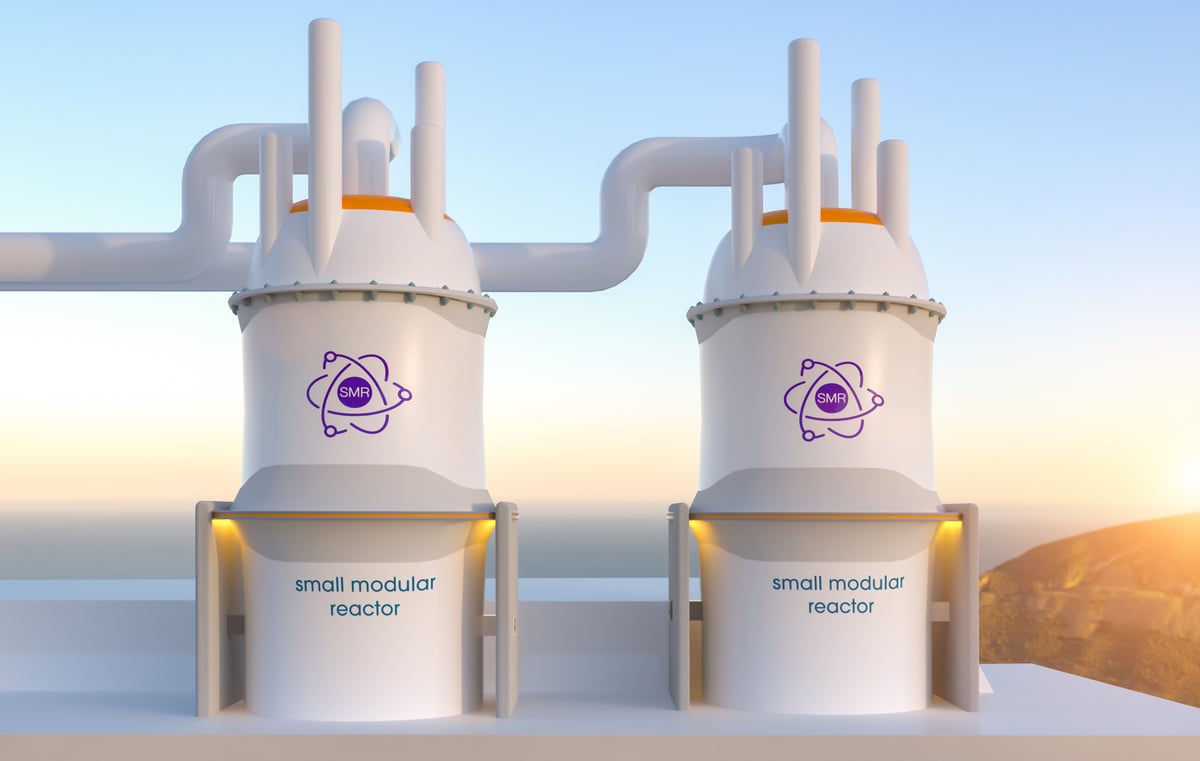
Centrus Energy, the only U.S. company licensed to produce HALEU fuel for advanced nuclear reactors, is positioned to benefit from America's nuclear energy renaissance. The company reported a record $3.9 billion backlog through 2040, $1.8 billion in cash, and received a $900 million Department of Energy contract to establish domestic HALEU supply. However, demand growth depends on advanced reactors still under development.
Our take is based on reporting first published by The Motley Fool.