
Prediction: 3 Reasons SpaceX Could Fall 50% Over the Next Year
 2026-07-17 09:02
•Geoffrey Seiler •The Motley Fool
•••• ••
2026-07-17 09:02
•Geoffrey Seiler •The Motley Fool
•••• •• Axe Capital view
Why SpaceX’s Sky-High Valuation May Crash Back to Earth
SpaceX’s IPO risks a sharp pullback due to unrealistic valuation, delivery doubts, and impending share dilution.
SpaceX is one to watch — but not for the usual reasons investors get excited. The company’s eye-watering $1.7 trillion valuation assumes huge revenue growth with no profit in sight until at least 2035. That’s a long time to wait while burning cash. Elon Musk’s tendency to overpromise and underdeliver adds to the skepticism. Historically, less than 20% of his announcements meet deadlines. Most concerning for investors is the mountain of shares about to hit the market from multiple lockup expirations — over 900 million shares soon, flooding supply and likely pushing the price down. For South Africans, this means a potential spike in USD/ZAR volatility as offshore capital reassesses risk. While South African tech play Prosus isn't a direct proxy, any tech-related risk aversion tends to weigh on it, given its significant stakes in global internet companies. Until we see clearer profitability or commitment from leadership, the safest bet is to wait and watch. this is just my opinion and not financial advice
Avoid jumping into SpaceX’s IPO at these levels. For rand investors, consider trimming offshore tech risk exposure, especially in Prosus, while keeping an eye on USD/ZAR for volatility triggered by SpaceX’s dilution events.
- USD/ZAR
- Prosus
- Elon Musk’s history of missed targets
- Massive upcoming share dilution
- Extended cash burn period without profits
7/10
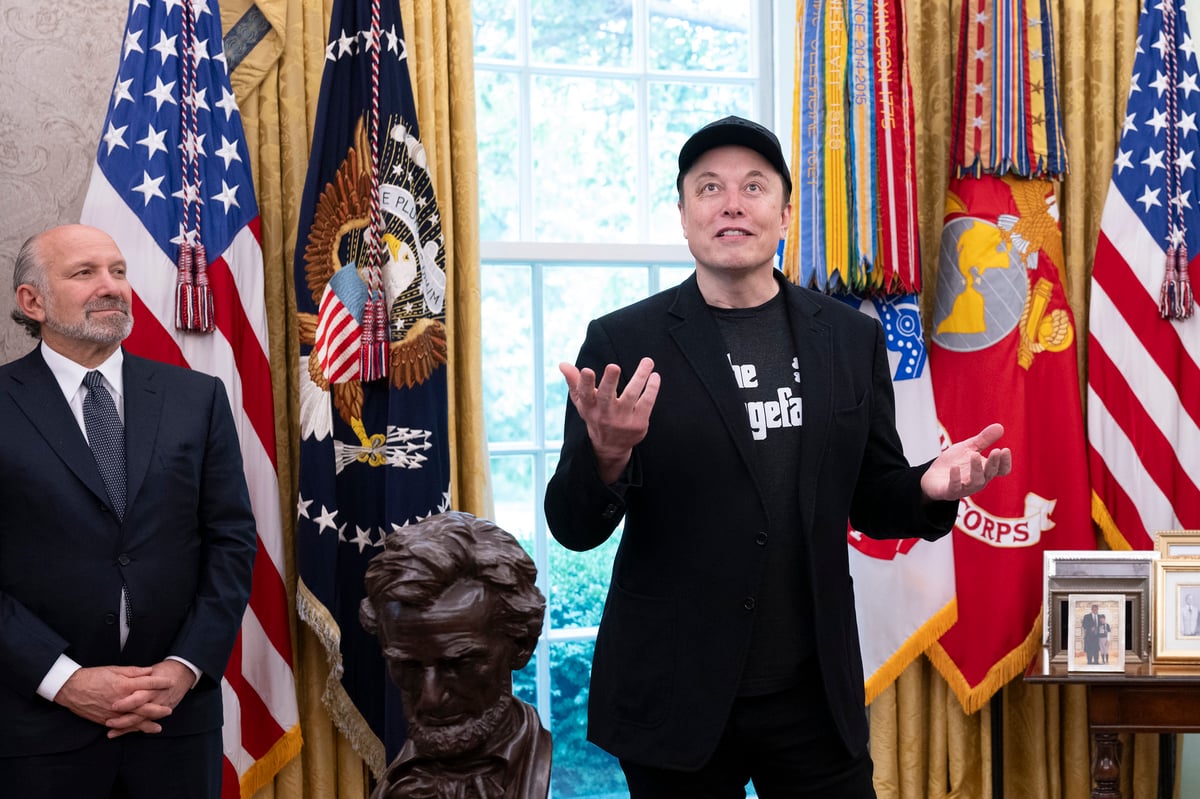
SpaceX faces significant downside risks following its IPO, with analyst Geoffrey Seiler citing three major concerns: an extreme valuation of $1.7T market cap with a forward P/S multiple of 40x despite projected cash burn until 2035, CEO Elon Musk's poor track record on delivering promises (fewer than 20% delivered on schedule), and massive share dilution from 15 lockup expirations over the next year that could flood the market with over 911 million shares in the first expiration alone.
This article was originally published by The Motley Fool and has been adapted here for Axe Capital Trading News.
Publisher: The Motley Fool
Author: Geoffrey Seiler
Categories: Equities, Earnings, IPOs, Autos
Tickers: SPCX, TSLA
Sentiment: Negative - The article presents three substantial bearish catalysts: extreme valuation relative to revenue and profitability with projected cash burn until 2035, Elon Musk's poor historical track record on delivering ambitious promises (Mars missions, space data centers, $1T revenue by 2030), and significant share dilution from 15 lockup expirations that could depress stock price over the next year. Tesla is mentioned only in disclosure statements (Motley Fool has positions in Tesla) and in context of Musk's promises about Tesla Optimus robots for Mars missions. No direct analysis or sentiment is provided about Tesla itself in the article.
Keywords: SpaceX IPO, valuation concerns, share dilution, lockup expiration, Elon Musk promises, cash burn, Mars mission, orbital data centers
Insights:
- SPCX: Negative: The article presents three substantial bearish catalysts: extreme valuation relative to revenue and profitability with projected cash burn until 2035, Elon Musk's poor historical track record on delivering ambitious promises (Mars missions, space data centers, $1T revenue by 2030), and significant share dilution from 15 lockup expirations that could depress stock price over the next year.
- TSLA: Neutral: Tesla is mentioned only in disclosure statements (Motley Fool has positions in Tesla) and in context of Musk's promises about Tesla Optimus robots for Mars missions. No direct analysis or sentiment is provided about Tesla itself in the article.