
Amazon Just Signed a 20-Year Nuclear Power Deal. Here's the 1 Industrial Stock That Benefits Most.
 2026-10-09 11:33
•James Brumley •The Motley Fool
•••••• •••••••
2026-10-09 11:33
•James Brumley •The Motley Fool
•••••• ••••••• Axe Cap view
Nuclear Energy’s Quiet Impact on SA Industrial Stocks
Amazon and Alphabet’s long nuclear deals highlight a trend with indirect implications for the JSE, especially through currency and energy-linked firms.
The tech giants signing 20-year nuclear power agreements underscore a shift toward cleaner, reliable energy sources needed for energy-hungry AI data centers. While Constellation Energy is the direct beneficiary in the US, South Africa’s JSE investors should shift focus. Uranium supply and nuclear infrastructure don’t have clear local listed proxies, but the currency impact is tangible. A stronger dollar against the rand (USD/ZAR) could hurt companies reliant on imports or dollar-denominated debt, like Sasol, which also navigates energy transitions. On the flip side, diversified banks like Standard Bank and FirstRand could gain from currency volatility and financing new infrastructure. Investors should watch USD/ZAR closely, as extended nuclear capacity growth could widen dollar strength, pressuring rand assets. However, this view hinges on steady US nuclear expansion and no disruptive shifts in global uranium markets. this is just our opinion and not financial advice
Watch USD/ZAR closely. Trim offshore-exposed industrials like Sasol and consider selecting resilient financials such as Standard Bank for currency hedging. Avoid chasing US nuclear stocks listed elsewhere.
- USD/ZAR
- Sasol
- Standard Bank
- Global uranium market disruption
- Rapid rand recovery due to local factors
6/10
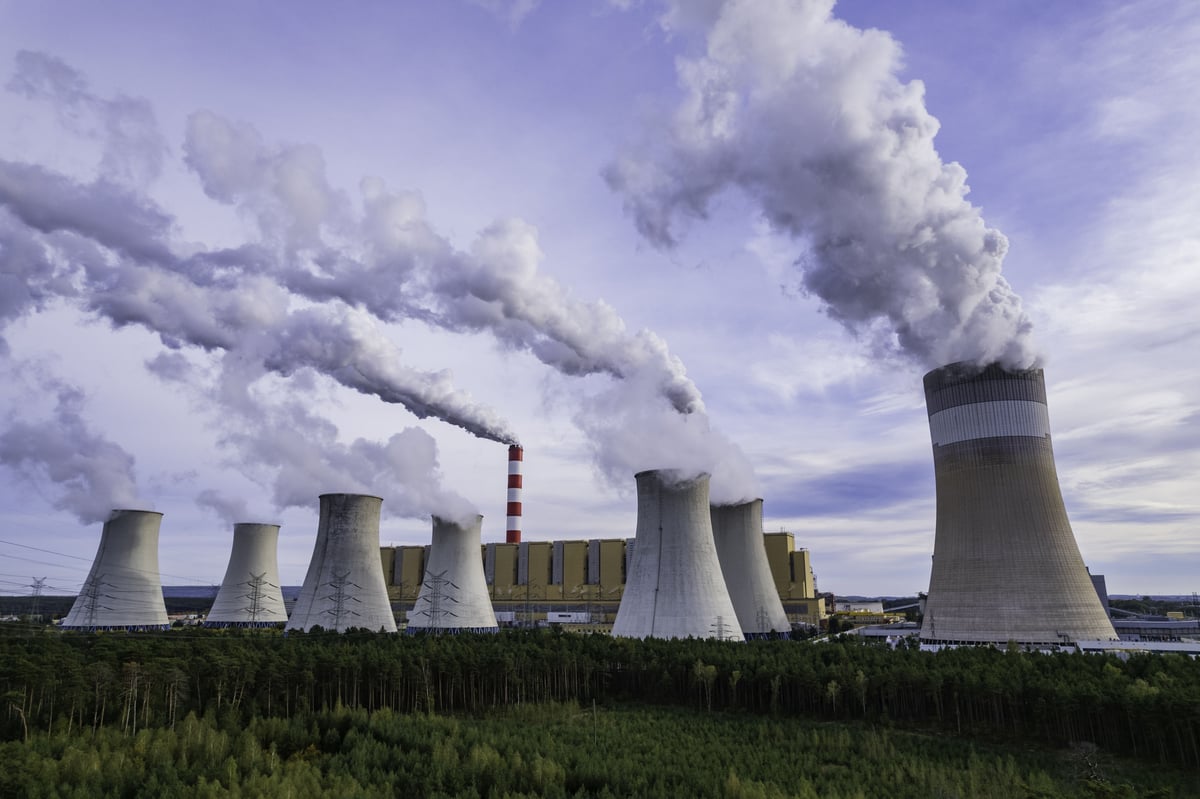
Amazon and Alphabet have signed 20-year nuclear power purchase agreements with Constellation Energy, signaling the tech industry's commitment to nuclear energy for AI data centers. While Constellation is well-positioned as a major nuclear generator, Cameco—which supplies uranium and owns 49% of Westinghouse—is highlighted as a better investment opportunity, trading 35% below analyst targets as nuclear capacity is expected to triple by 2050.
Our take is based on reporting first published by The Motley Fool.