
3 Midstream Stocks Quietly Compounding Dividends Every Year
 2026-08-05 16:05
•Thomas Niel •The Motley Fool
••• ••••
2026-08-05 16:05
•Thomas Niel •The Motley Fool
••• •••• Axe Cap view
The Case for Midstream Income in a Volatile Energy Market
Three U.S. midstream firms quietly compounding payouts offer a steady income story worth watching through the rand lens.
Midstream energy companies like Enbridge (ENB), Enterprise Products Partners (EPD), and MPLX (MPLX) act as tollbooths in energy transport—they earn fees regardless of oil price swings. This stability is rare for energy-related investments and why these firms can consistently grow dividends, some for decades. South African investors might find this attractive as a hedge especially with the rand’s occasional volatility against the dollar; reliable foreign income streams can offer diversification. Enbridge’s 5.1% yield and steady 7.3% dividend growth show resilience. MPLX’s 7.3% yield and aggressive payout expansion plans suggest strong future cash flows but come with more risk. Enterprise Products has proven consistency with a 30-year growth streak. Locally, energy exposure is mainly through Sasol, but it’s far more cyclical, whereas these midstream firms provide a smoother ride in cash flow terms. Watch USD/ZAR moves closely as they affect the rand value of these dividends. The risk? A global shift away from fossil fuels faster than anticipated could pressure these companies’ volumes and cash flows. this is just our opinion and not financial advice
For rand-hedged income, buy Enbridge and Enterprise Products Partners selectively and keep MPLX on watch for potentially higher yields but more risk. Stay alert to USD/ZAR trends that will affect returns.
- ENB
- EPD
- MPLX
- USD/ZAR
- Accelerated global transition from fossil fuels reducing pipeline volumes
- Rand depreciation eroding dividend income in local terms
6/10
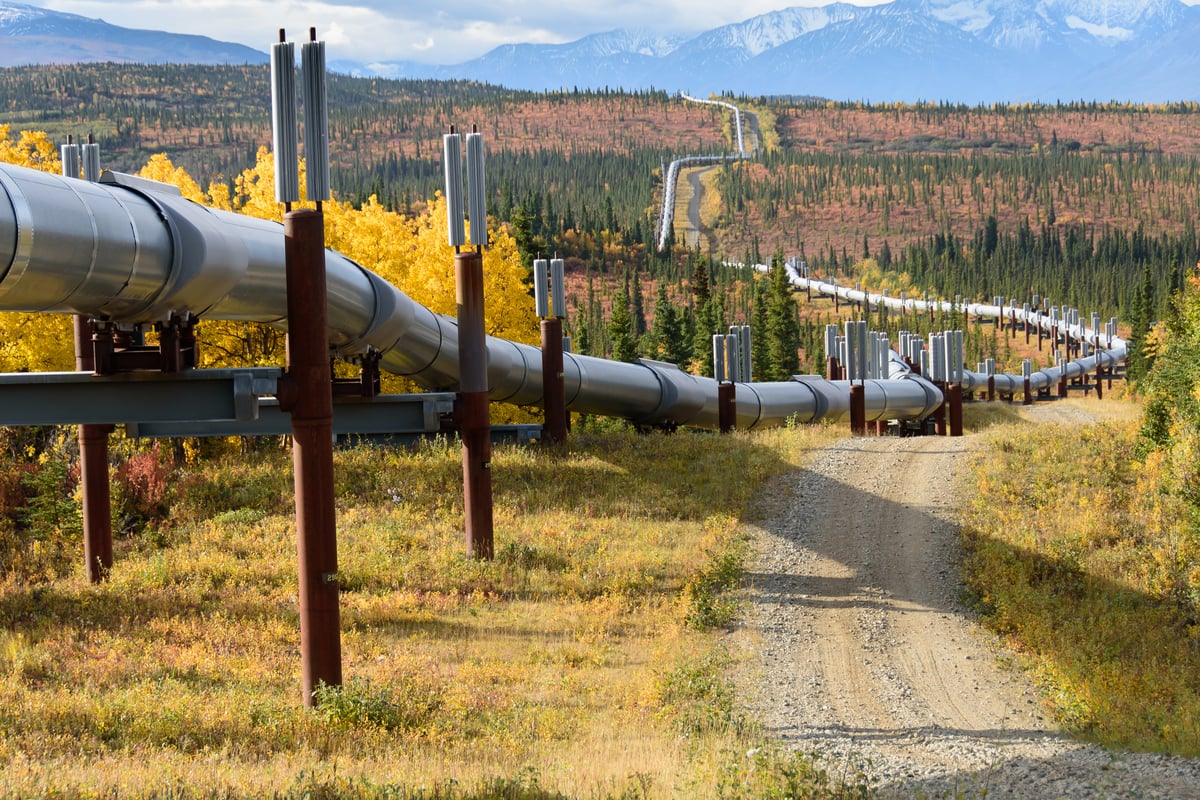
Three midstream energy companies—Enbridge, Enterprise Products Partners, and MPLX—offer attractive dividend yields and strong compounding potential. Operating as 'energy tollbooths' with stable cash flows, these stocks have demonstrated consistent dividend/distribution growth over decades, making them suitable for passive income investors seeking long-term capital appreciation.
Our take is based on reporting first published by The Motley Fool.