
If a Bear Market Is Coming, History Says This Strategy Will Set Investors Up for Long-Term Success
 2026-07-30 12:30
•David Dierking •The Motley Fool
••••• ••
2026-07-30 12:30
•David Dierking •The Motley Fool
••••• •• Axe Cap view
Why Staying Invested Beats Timing the JSE Downturns
History shows regular market dips are opportunities, not reasons to panic sell.
Bear markets on the JSE aren’t rare; roughly every four years, we see 20% corrections. Tempting as it is to sell or sit on cash, history tells a different story. Investors who stayed invested or kept buying through tough patches like 2008 or the COVID plunge in 2020 often recovered well ahead. Consider stocks like Sasol or AngloGold Ashanti—they fell sharply during crises but regained lost ground when conditions normalized. Randomly trying to time these dips often locks in losses instead of gains. For rand traders watching global tech sell-offs—take the weakness in semiconductor ETFs like SMH or SOXX as a backdrop but avoid knee-jerk reactions. If the rand weakens, South African exporters generally benefit, which supports sectors linked to commodities and mining. Still, one can be wrong if a recession lasts longer than expected or if inflation sticks stubbornly high, forcing prolonged hikes that sap earnings. Stay patient, keep investing, and don’t overreact to volatility—. this is just our opinion and not financial advice
Keep adding to quality JSE stocks selectively during dips, focusing on resilient sectors like mining and consumer staples. Watch the USD/ZAR closely as a guide to global versus local risk appetite.
- Sasol
- AngloGold Ashanti
- USD/ZAR
- Longer-than-expected global recession
- Persistent high inflation and interest rates
7/10
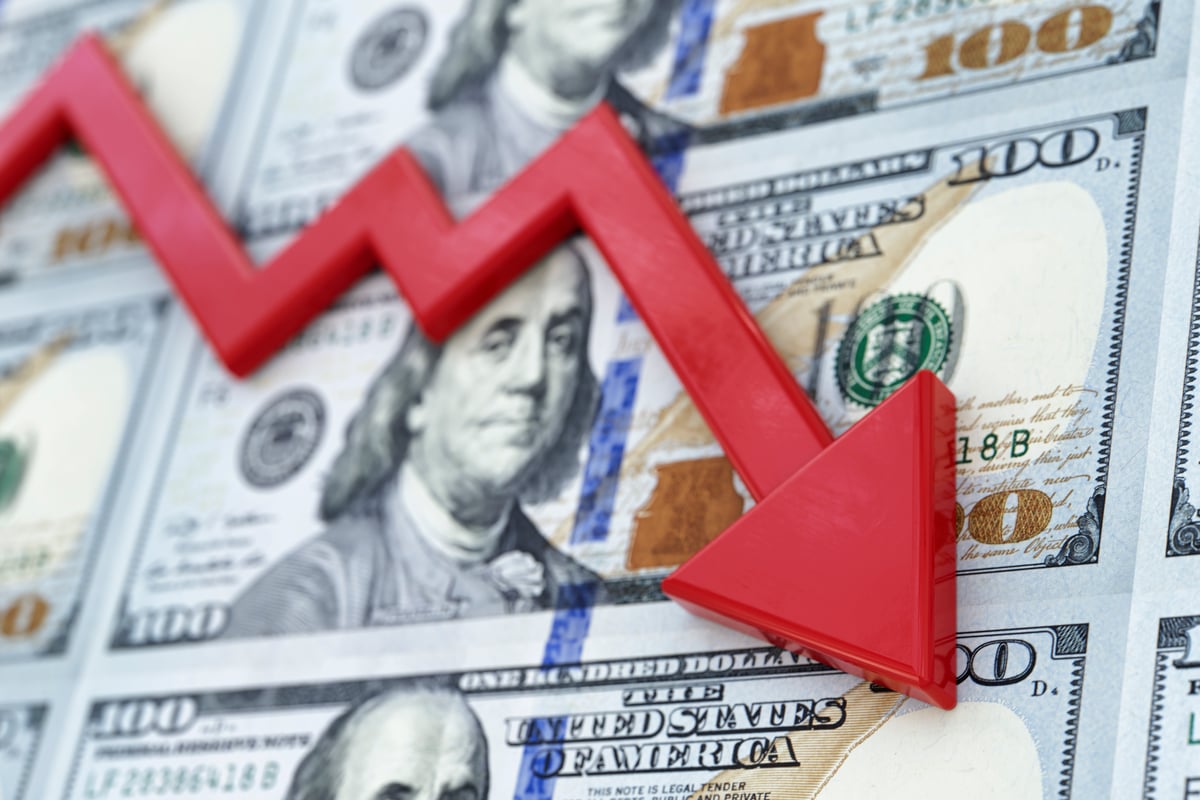
The article advises investors to maintain discipline during bear markets by continuing to invest through periodic contributions like 401(k) plans rather than selling. Historical data shows that 20% bear markets occur roughly every four years, and investors who stayed invested or continued buying during downturns like 2008 and 2020 ultimately came out ahead, while those who sold locked in losses.
Our take is based on reporting first published by The Motley Fool.