
Joby Aviation Stock Just Hit a 52-Week Low. History Says This Happens Next
 2026-10-26 21:30
•Steven Porrello •The Motley Fool
•• •••
Axe Cap view
Why Joby Aviation’s Fall May Matter Little for SA Investors
Joby Aviation’s plunge below $5 highlights eVTOL hype fading, but South Africans should stay cautious before chasing recovery stories.
Joby Aviation, a US eVTOL pioneer, has seen its stock collapse from $13 to under $5 in less than a year as Wall Street’s patience wears thin. The company’s recent tech milestones—autonomous flights and a key acquisition—haven’t sparked the comeback investors hoped for. The market is now fixated on real-world proof: FAA greenlights and revenue from passenger flights. For South African investors, this story offers a cautionary tale rather than an immediate opportunity. The rand’s sensitivity to global risk means USD/ZAR could react to tech sector jitters broadly, but Joby itself has no direct JSE equivalent. Instead, look to local industrial or tech plays like Barloworld or Naspers for more grounded exposure. Betting on futuristic themes like eVTOL before commercialisation risks becoming a quick fade. The view could prove wrong if Joby suddenly nails FAA certification, triggering speculative runs. For now, caution trumps excitement. this is just our opinion and not financial advice
Avoid Joby Aviation outright and watch USD/ZAR for tech sector risk shifts. South African investors should favour established JSE names with clearer earnings near-term like Naspers or Barloworld over speculative eVTOL plays.
- USD/ZAR
- Naspers
- FAA certification delays
- global tech sector sentiment swings
6/10
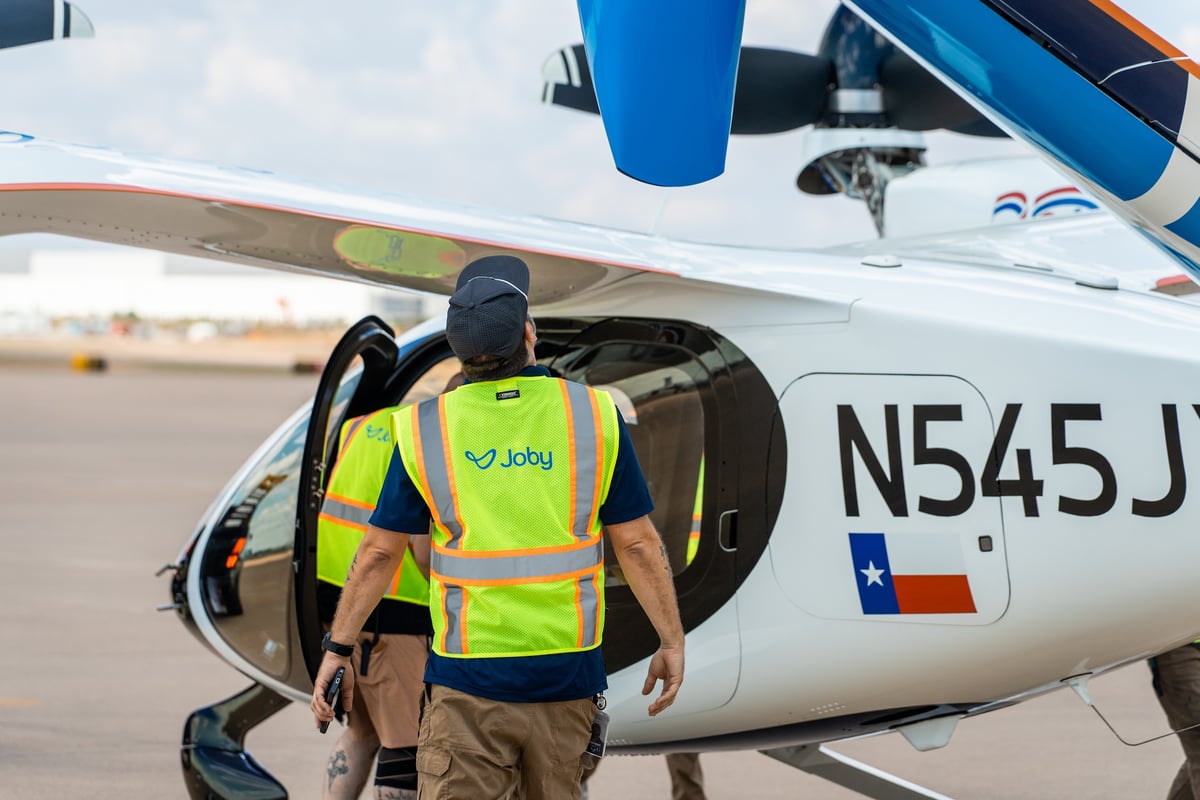
Joby Aviation stock has fallen below $5, near its 52-week low of $4.40, as Wall Street loses enthusiasm for the eVTOL industry despite the company's achievements like autonomous flight completion and acquisition plans. However, history shows Joby has recovered from similar downturns after major announcements. The stock's future depends on reaching key milestones like FAA type certification or starting passenger service, which could drive it back into double digits.
Our take is based on reporting first published by The Motley Fool.