
Jensen Huang Said This Word Exactly 1 Time During Nvidia's Earnings Call, and That Was Enough to Put Artificial Intelligence (AI) Bubble Fears to Rest
 2026-09-04 20:08
•Adam Spatacco •The Motley Fool
••••••• ••••••••••••
2026-09-04 20:08
•Adam Spatacco •The Motley Fool
••••••• •••••••••••• Axe Cap view
Nvidia’s AI Surge and What It Means for Rand Investors
Nvidia’s rare glimpse of ‘visibility’ on AI demand signals real infrastructure growth, with clear implications for the rand and select JSE sectors.
Jensen Huang’s single mention of 'visibility' during Nvidia’s earnings call isn’t just semantics—it's a big deal. It suggests Nvidia has an unusually clear view of AI infrastructure demand, expecting 70% revenue growth fueled by hyperscalers' planned spending of up to $1.3 trillion in 2027. For us following the JSE, this tech boom overseas mainly checks the USD/ZAR box: stronger global tech demand should support the rand as big dollars flow into emerging market tech adoption. Locally, lean into diversified financials like Standard Bank and MTN, which benefit indirectly from global tech investment and increased capital flows. Avoid commodity-heavy stocks like Sasol here, since volatile energy costs and local instability can wipe out gains from an improving tech-driven dollar profile. A risk? Nvidia’s margins may face pressure from rising memory costs, trickling uncertainty back into global tech stocks and the rand. Keep an eye on FX as a barometer to gauge how much AI hype translates into real rand strength. this is just our opinion and not financial advice
Buy USD/ZAR puts (betting on rand strength) with stops in place, and overweight Standard Bank and MTN for tech and capital flow exposure. Avoid Sasol in the near term.
- USD/ZAR
- Standard Bank
- MTN
- rising memory prices crimping global tech margins
- local economic/political instability weakening rand
7/10
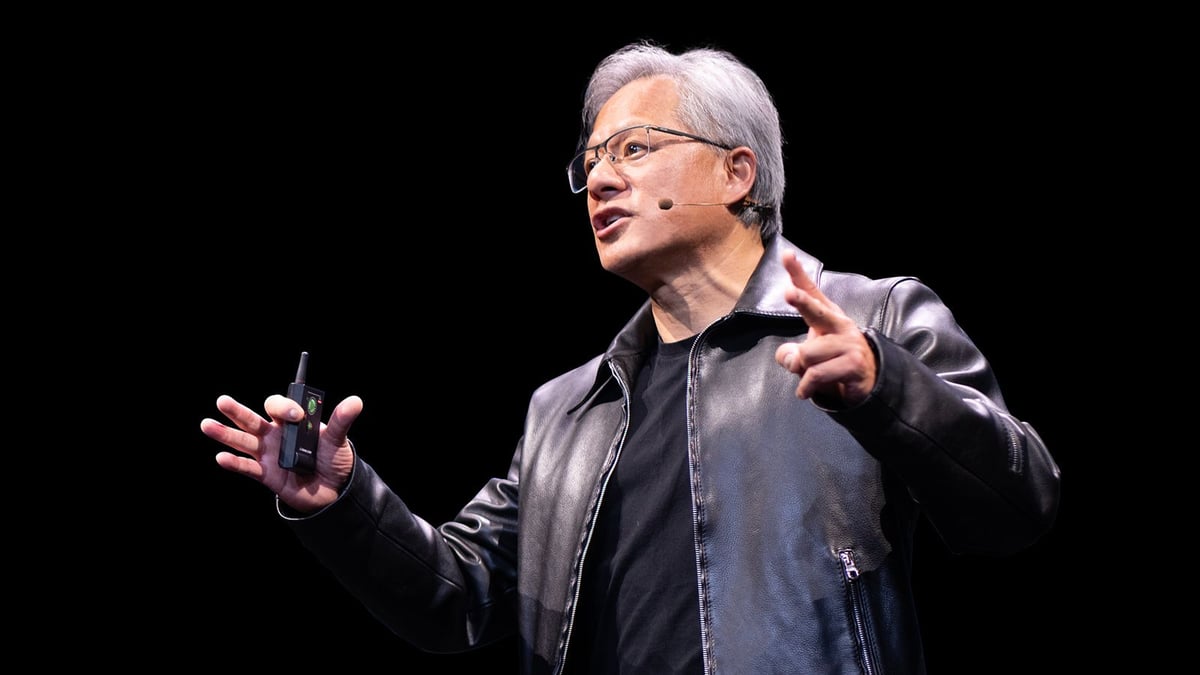
Nvidia CEO Jensen Huang's single use of the word 'visibility' during earnings signals the company's unprecedented insight into AI infrastructure demand across land, power, and supply chains. With top hyperscalers expected to spend $800 billion on capex in 2026 and $1.3 trillion in 2027, Nvidia's 70% revenue growth guidance and strategic equity stakes in networking and optical companies position it as the architect of AI factories rather than just a chip vendor, suggesting secular demand rather than a bubble.
Our take is based on reporting first published by The Motley Fool.