
U.S. Power Demand Is Set to Jump 20% by 2030. Here's What It Means for Energy Stocks.
 2026-10-24 11:42
•Courtney Carlsen •The Motley Fool
••••• •••••••••••••
Axe Cap view
US Power Demand Surge: What SA Investors Should Watch
The US expects a 20% jump in electricity use by 2030, driven by AI, EVs, and manufacturing.
The US electricity demand boom is a clear sign that tech-powered growth is reshaping energy needs. For South African investors, the direct local listed opportunities are thin, but this trend still matters through the rand and SA energy sector lens. Rising US infrastructure spending and power demand tend to lift the dollar as capital chases yield, which in turn puts pressure on the rand (USD/ZAR is likely to stay volatile). On the JSE, Sasol benefits from higher energy prices globally, especially since oil and gas feedstock costs form a big part of its business. Meanwhile, regulated utilities with stable cash flows and essential infrastructure exposure—like Eskom equivalents abroad—show why local banks such as Standard Bank and FirstRand maintain their appeal: higher US rates often boost SA banks' earnings through better interest margins and dollar funding spreads. But if US energy infrastructure investments slow or AI adoption is lower than expected, the ripple through currencies and commodity prices could falter. this is just our opinion and not financial advice
We favour Sasol as a hedge against higher global energy demand and rand weakness. Bank counters like Standard Bank offer a decent buffer against FX swings due to their dollar-linked earnings. Avoid chasing US-listed pure-play utilities directly; use USD/ZAR as your primary currency play.
- Sasol
- Standard Bank
- USD/ZAR
- Slower-than-expected adoption of AI and EVs in the US
- Rand strengthening unexpectedly on domestic factors
6/10
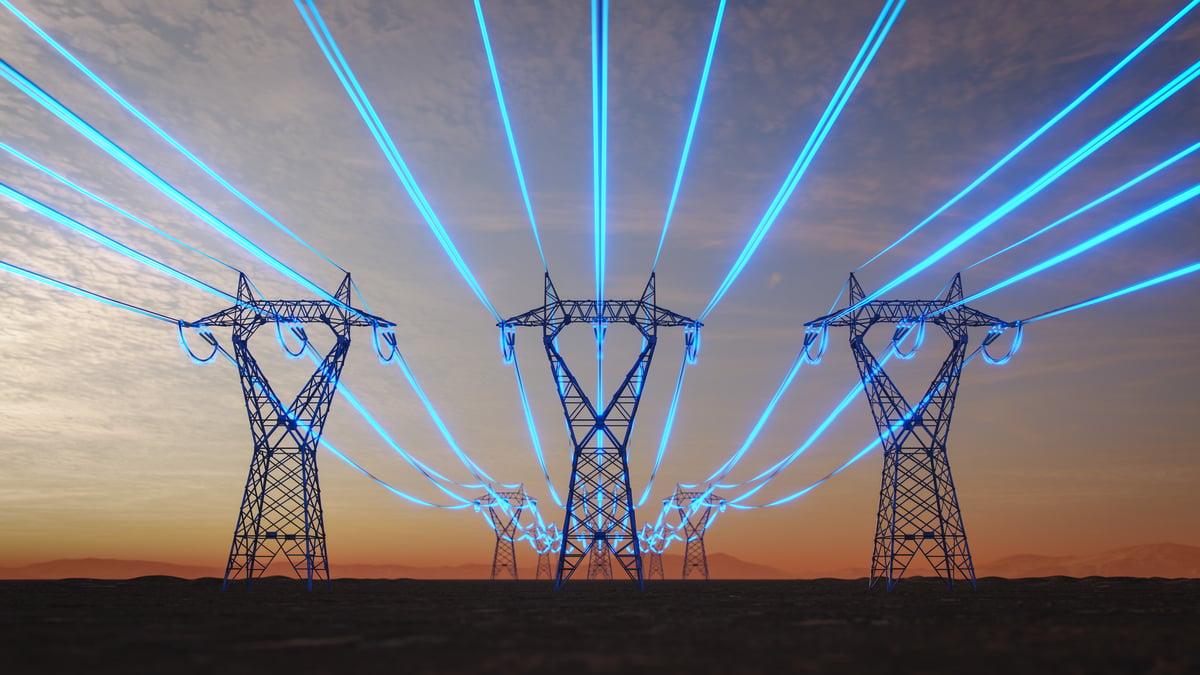
U.S. electricity demand is projected to surge 20% by 2030, driven by AI data centers, electric vehicle adoption, and manufacturing growth. This shift benefits regulated utilities, independent power producers with long-term contracts, and equipment manufacturers. Investors can choose between stable utility stocks, higher-upside power producers, or equipment manufacturers based on risk tolerance.
Our take is based on reporting first published by The Motley Fool.