
Is This EV Stock The Next Tesla?
 2026-07-31 16:21
•Leo Sun •The Motley Fool
••• •••
2026-07-31 16:21
•Leo Sun •The Motley Fool
••• ••• Axe Cap view
Rivian Won't Repeat Tesla's South African Story
Rivian's delivery targets and market position pale compared to Tesla’s historic rise, with little direct impact on local JSE players or the rand.
Rivian’s 80% drop from IPO highs tells the tale of a company struggling to find its footing in a competitive electric vehicle (EV) landscape. Its 2025 delivery target of roughly 42,000 cars barely scratches Tesla’s 2016 volume—Tesla’s breakthrough year. For South African investors used to watching Sasol or AngloGold’s scale, these numbers suggest Rivian is still a niche player. Given that EV subsidies are shrinking globally and supply chains remain tight, Rivian’s growth will be slower and less impactful. There’s minimal spillover for the rand or JSE-listed industrials like Barloworld or Motus, whose fortunes depend more on traditional vehicle sales and global commodity dynamics. The USD/ZAR may continue reacting more to commodity prices and local policy than these EV stories. If Rivian delivers a surprise turnaround or if EV subsidies revive strongly, this view might be wrong. Otherwise, caution is warranted. this is just our opinion and not financial advice
Avoid Rivian at this stage; instead, consider selectively watching Motus for local auto exposure and keep an eye on USD/ZAR volatility tied to commodity swings. Tesla remains out of reach for direct SA exposure and too global to trust currency hedges here.
- RIVN
- USD/ZAR
- Motus
- Unexpected surge in global EV subsidies
- Breakthrough in Rivian production efficiency
6/10
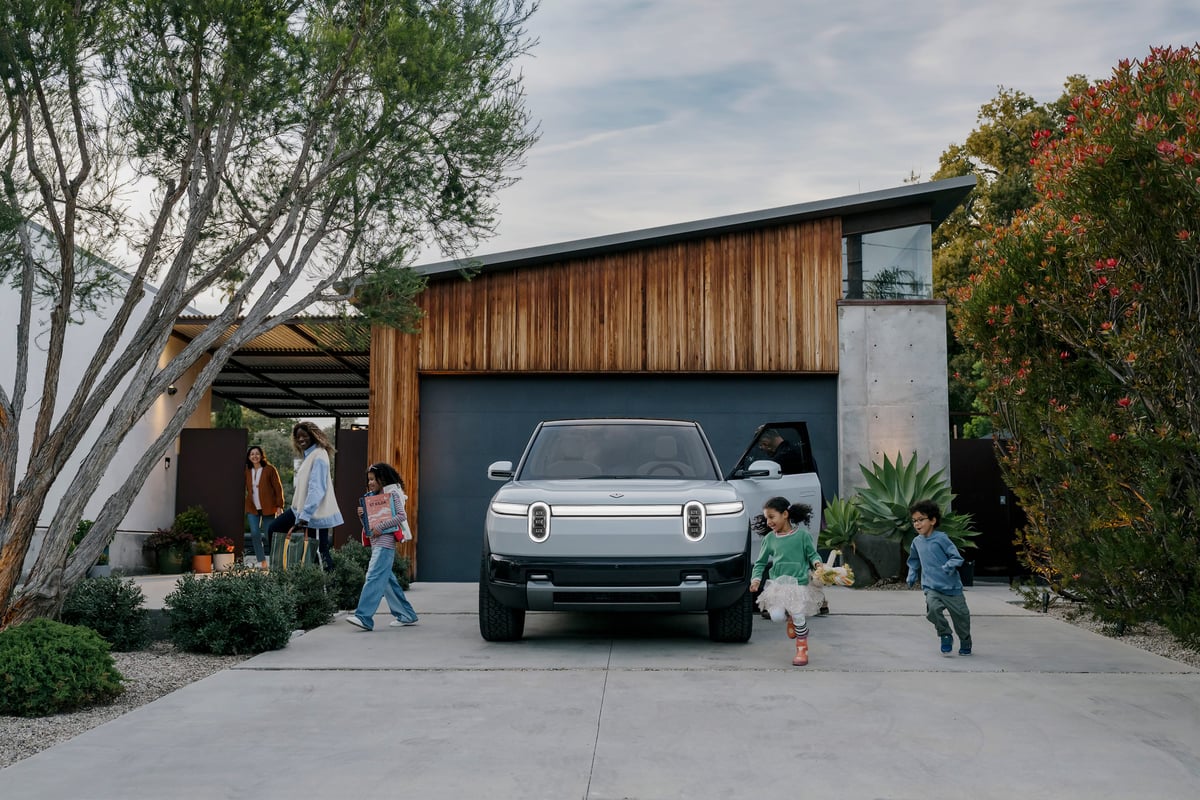
Rivian's stock has plummeted 80% since its 2021 IPO despite initial comparisons to Tesla. While the company expects delivery growth from 42,247 vehicles in 2025 to 62,000-67,000 in 2026 driven by its cheaper R2 SUV, it faces significant challenges including supply chain constraints, reduced EV subsidies, and intense competition. Even at its projected delivery levels, Rivian would only match Tesla's 2016 performance, making it unlikely to replicate Tesla's growth trajectory in today's crowded EV market.
Our take is based on reporting first published by The Motley Fool.