
3 Energy Stocks With Dividends That Have Never Been Cut
 2026-08-10 12:05
•James Brumley •The Motley Fool
•••••• •••
2026-08-10 12:05
•James Brumley •The Motley Fool
•••••• ••• Axe Cap view
Reliability in Energy Dividends: What SA Investors Should Note
Three US energy giants have built unshakable dividend records, offering lessons for SA dividend hunters.
In a sector known for volatility, Chevron, Enbridge, and EOG Resources stand out by never cutting dividends even through wild swings in oil and gas prices. Chevron’s 39-year streak of increases and steady 3.8% yield signal strong discipline. Enbridge's pipeline business wins for its steady cash flow insulated from commodity dips, yielding 5.4%. EOG boasts nine years of dividend hikes and a plan for steady cash flow growth. South African investors chasing reliable income might look at these models amid Sasol’s own challenges balancing dividends with capital needs in a transitioning energy world. The rand's sensitivity to oil prices means that stability in energy cash flows globally can translate into less currency turbulence, indirectly benefiting sectors linked to energy imports and exports. This strength, however, could falter if global energy demand shifts sharply or regulatory landscapes tighten unexpectedly. this is just our opinion and not financial advice
Watch Sasol closely for signs it can stabilize dividends alongside its energy transition efforts. Add exposure to rand-hedged dividend plays like Standard Bank and MTN to diversify income streams, while keeping USD/ZAR on radar amid commodity swings.
- Sasol
- Standard Bank
- USD/ZAR
- Accelerated energy transition undermining oil demand
- Rand volatility impacting offshore earnings translation
6/10
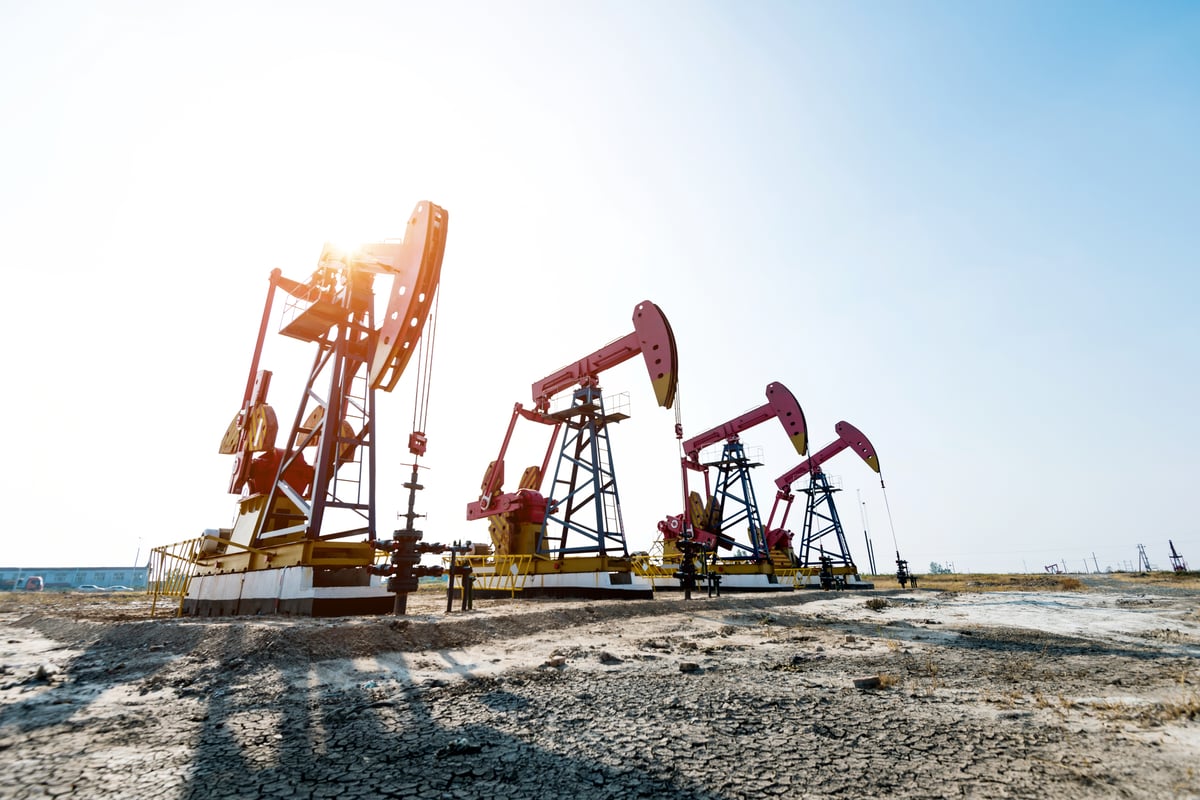
Three energy stocks have maintained uncut dividends despite volatile oil and gas prices: Chevron has raised dividends for 39 consecutive years with a 3.8% yield, Enbridge operates a stable midstream pipeline business with 31 years of consecutive dividend increases and a 5.4% yield, and EOG Resources has never cut its dividend since going public in 1999 with a 3% forward yield and nine consecutive years of increases.
Our take is based on reporting first published by The Motley Fool.