
Why Quanex Stock Skyrocketed by 22% on Friday
 2026-09-04 23:14
•Eric Volkman •The Motley Fool
••••• •
2026-09-04 23:14
•Eric Volkman •The Motley Fool
••••• • Axe Cap view
Quanex’s Earnings Beat Hits Bullseye, But Watch Tariff Risks
Quanex Building Products surprised investors with strong earnings amid challenging market conditions.
Quanex’s recent quarterly results grabbed attention with a 22% jump in stock price after a solid earnings beat. Adjusted earnings per share came in significantly higher than expectations, helped by better pricing and lower depreciation costs. While revenue growth was modest at just 1%, the firm’s ability to boost profitability in a tough environment—including tariff reimbursements and geopolitical tensions—speaks to operational discipline. For South African investors, direct exposure to Quanex is limited, but the broader story supports watching commodity and industrial sectors on the JSE, like Barloworld or Motus, which also face pricing pressures and inflation dynamics. The USD/ZAR rate might respond to USD strength related to global industrial resilience, so positioning around currency volatility is prudent. The risk: if tariffs escalate or supply chain disruptions worsen, profitability could suffer. Stick close to managing exposure. this is just our opinion and not financial advice
Watch for opportunities in industrial counters like Barloworld and Motus, but keep position sizes moderate. Hedge currency exposure around USD/ZAR as a safeguard against global shocks.
- Quanex (NX)
- Barloworld
- Motus
- USD/ZAR
- Increased tariff impact
- Supply chain disruptions
6/10
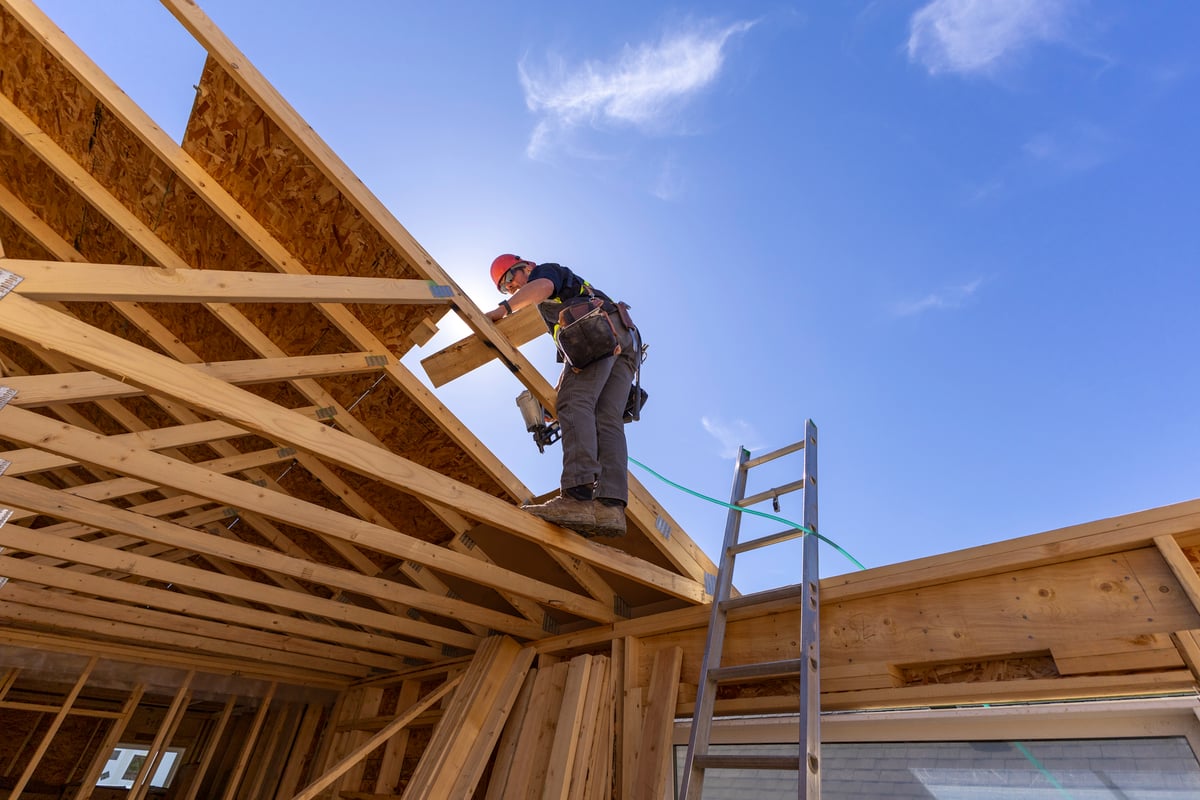
Quanex Building Products stock surged 22% on Friday following a strong fiscal third-quarter earnings report. The company reported net sales of $501.8 million (up 1% YoY) and adjusted net income of $36 million or $0.79 per share, significantly beating analyst expectations of $0.65 per share. Revenue slightly exceeded consensus estimates of $498.4 million. Growth was driven by favorable pricing developments and lower depreciation/amortization costs, despite tariff reimbursements to clients and challenging market conditions.
Our take is based on reporting first published by The Motley Fool.