
Palantir Billionaire Peter Thiel Just Put 33% of His Portfolio Into These 3 Energy Stocks
 2026-08-28 15:30
•Adam Spatacco •The Motley Fool
•••• ••••
2026-08-28 15:30
•Adam Spatacco •The Motley Fool
•••• •••• Axe Cap view
Why Peter Thiel Is Betting Big on Energy Stocks
Thiel’s stake in energy, especially nuclear, signals a shift from chips to power as AI’s real bottleneck.
Peter Thiel’s recent portfolio overhaul puts a spotlight on energy as the backbone of AI progress. His emphasis on companies like Vista Energy and Vistra — heavyweights in independent power and nuclear — isn’t about traditional energy plays. It’s a bet that reliable, carbon-free electricity will become vital for tech giants running 24/7 AI operations. While this theme feels distant from the JSE, the implications for the rand and local power players are tangible. Sasol, for example, stands to benefit from rising energy demand and evolving regulations. The rand may feel pressure if international energy firms continue raising capital and investing abroad but could also gain from commodity-linked strength if oil and gas prices hold. Still, this thesis hinges on nuclear and renewables adoption accelerating faster than expected, which South Africa’s grid and regulatory inertia could stall. For now, South African investors should keep an eye on Sasol as an energy proxy and watch USD/ZAR for signals of foreign capital flow shifts. this is just our opinion and not financial advice
Buy Sasol selectively to play rising energy demand but keep controlled exposure given regulatory risks. Watch USD/ZAR closely for entry points in resource-linked equities.
- Sasol
- USD/ZAR
- Delayed nuclear and renewable adoption in South Africa
- Volatility in USD/ZAR driven by global energy market swings
6/10
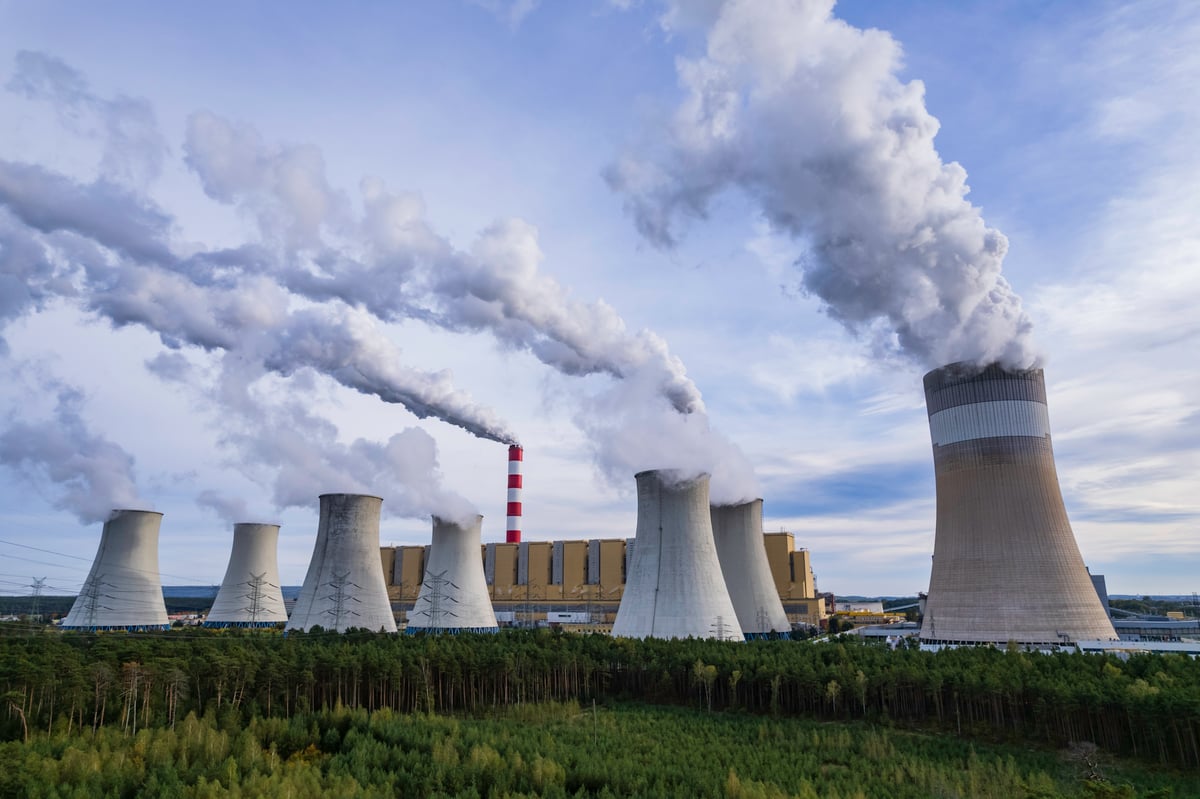
Peter Thiel's hedge fund Thiel Macro rebuilt a $419 million portfolio in Q2 2026, allocating roughly 33% across three energy stocks: Vista Energy, Vistra, and X-Energy. Thiel views electricity as the critical bottleneck for AI development rather than chips, positioning in nuclear and energy infrastructure to enable AI hyperscaler operations.
Our take is based on reporting first published by The Motley Fool.