
President Donald Trump Just Threw Fed Chair Kevin Warsh Under the Bus, and Things Could Get Ugly for Wall Street
 2026-10-24 08:06
•Sean Williams •The Motley Fool
••••••••• •
Axe Cap view
Trump’s Fight with the Fed: Watch the Rand and Financials
Trump’s public clash with the Fed chair signals tougher monetary policy or market turmoil ahead.
President Trump calling out the Fed's Kevin Warsh underscores the tension over rising interest rates fueled by stubborn inflation. The US central bank remains hawkish partly due to tariffs and geopolitical risks, which means borrowing costs could stay high for longer. For South Africa, this matters because persistent US rate hikes tend to strengthen the dollar, putting pressure on the rand. A weaker rand will push inflation higher locally, squeezing consumers and hitting banks like Standard Bank and FirstRand which face more expensive credit costs. On the positive, miners like AngloGold Ashanti may benefit from a weaker currency and safe-haven demand. However, if the Fed reverses course abruptly or if US growth slows dramatically, the rand could recover faster than expected and financials might bounce back. Until then, expect volatility and a cautious stance towards domestically focused sectors. this is just our opinion and not financial advice
Trim exposure to South African banks given the risk of tighter credit and rand weakness, while looking to gold producers as a hedge against currency-driven inflation risks.
- USD/ZAR
- Standard Bank
- FirstRand
- AngloGold Ashanti
- Fed could pivot on rate hikes if US economy stalls
- Rand may stabilize if global risk appetite improves
7/10
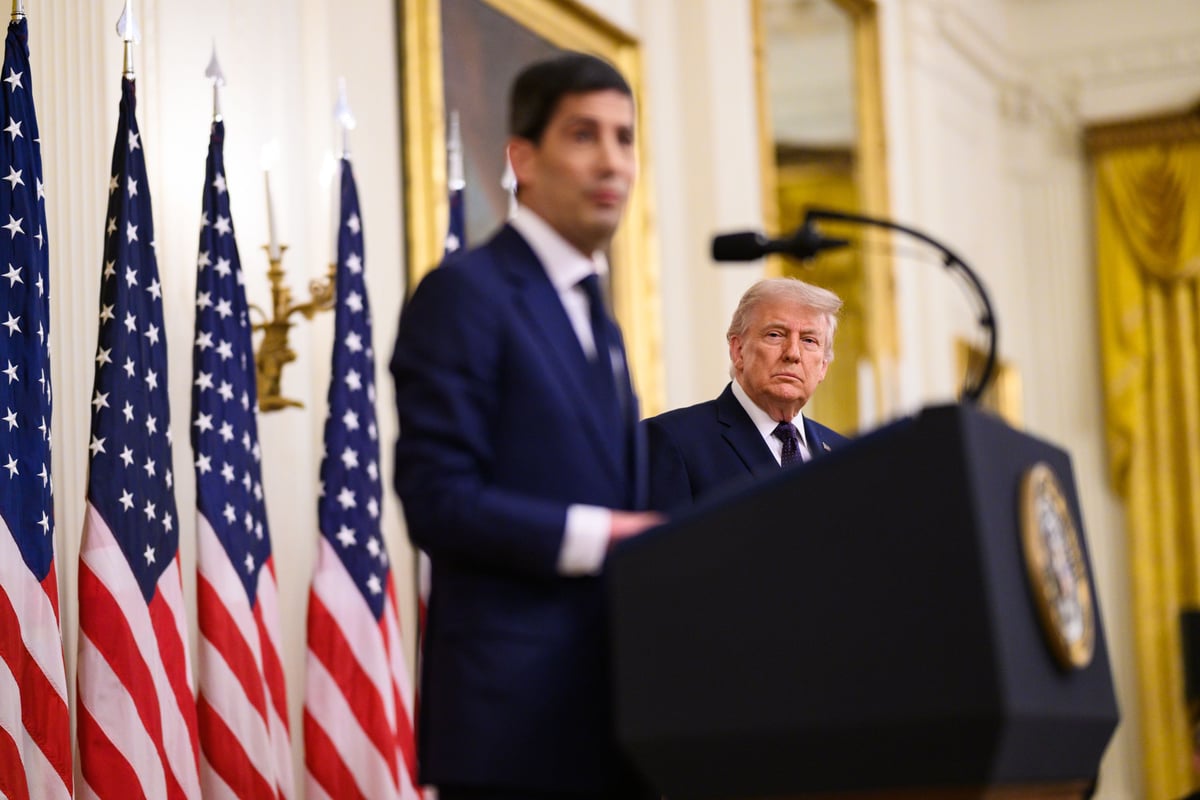
President Trump has begun publicly criticizing Fed Chair Kevin Warsh and the FOMC for maintaining elevated interest rates, despite initially supporting Warsh's nomination. The central bank is raising rates due to 'Trumpflation' caused by tariffs and the Iran war, which have pushed inflation to a 67-month high of 4.2%. With a 64% probability of at least 75 basis points in rate hikes by September 2027, the resulting higher borrowing costs could slow AI infrastructure investment and potentially trigger a stock market correction.
Our take is based on reporting first published by The Motley Fool.