
Warren Buffett Has Recommended the Same Investment for Decades -- and the Long-Term Results Have Been Extraordinary
 2026-08-08 10:15
•Katie Brockman •The Motley Fool
•• ••
2026-08-08 10:15
•Katie Brockman •The Motley Fool
•• •• Axe Cap view
Buffett’s Enduring Case for the S&P 500: What SA Investors Should Take Away
Warren Buffett’s advice to back broad US equity index funds holds important lessons for South African investors, despite market differences.
Warren Buffett’s faith in the S&P 500 is more than legend; it’s backed by decades of strong returns even through severe crises. His 2008 bet that an S&P 500 index fund would beat hedge funds was a clear signal to stick with low-cost, diversified equities. For South Africans, this doesn’t mean dumping local shares altogether but rather balancing the high volatility of the JSE with something stable offshore. The US market’s resilience and scale tend to smooth out shocks that hit our emerging market. Still, the rand’s swings against the dollar can erode gains, so consider hedging or investing steadily over time to average out the currency risk. Firms like Naspers and Prosus illustrate the blend: global tech exposure listed locally. However, local sectors like mining or banking remain vulnerable to domestic issues. The big caveat is if the US enters a prolonged recession, the S&P’s returns could stall, impacting offshore allocation. this is just our opinion and not financial advice
For most investors new to global markets, buy a low-cost S&P 500 ETF gradually, balancing this with selective JSE exposure like Naspers or Prosus to capture growth with local currency hedge. Trim local cyclicals if economic risks rise.
- SPY (S&P 500 ETF)
- Naspers
- Prosus
- USD/ZAR
- Prolonged US recession stalling expected returns
- Sharp rand depreciation eroding offshore gains
6/10
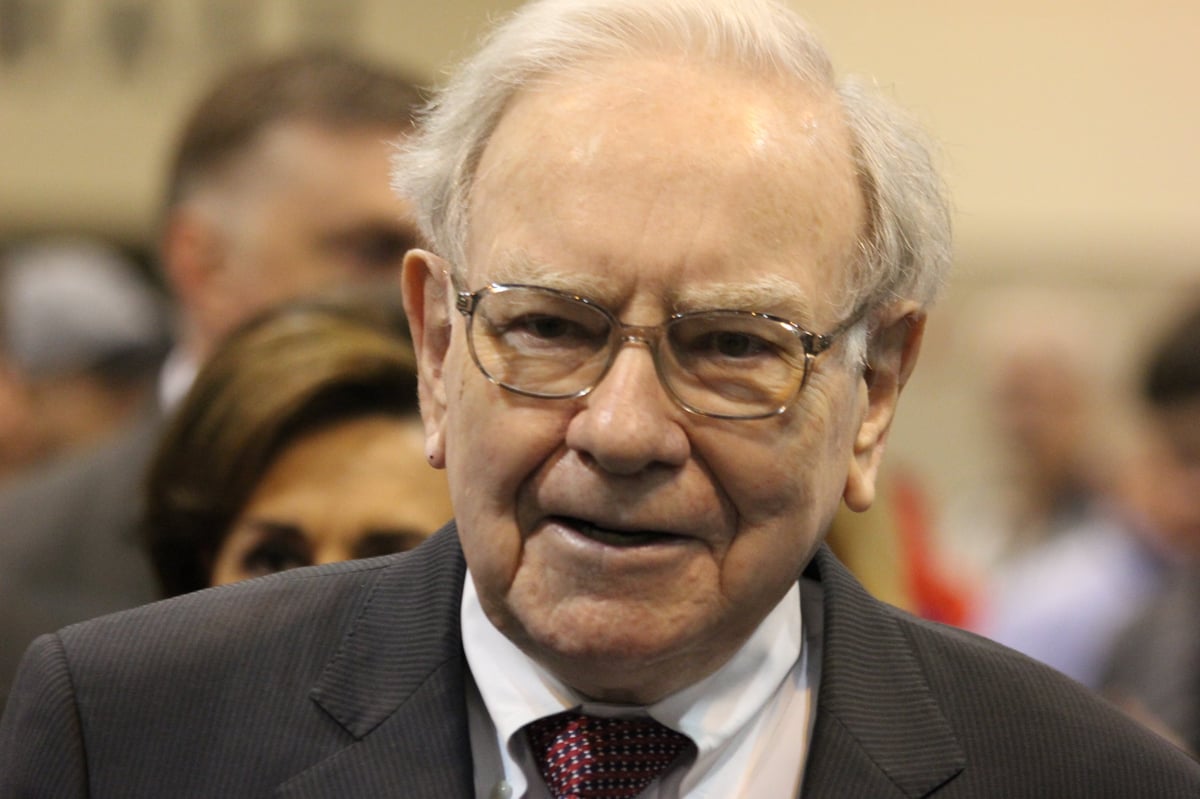
Warren Buffett has consistently recommended S&P 500 index funds as the best investment for most people, even betting $1 million in 2008 that it would outperform hedge funds. The S&P 500 has demonstrated remarkable resilience, surviving major market downturns including the dot-com bubble, Great Recession, and COVID-19 crash, with nearly 750% total returns since 2000. With consistent monthly contributions and historical average returns of 10% annually, investors could accumulate over $1 million over decades.
Our take is based on reporting first published by The Motley Fool.
More stories like this
- Forget the Artificial Intelligence (AI) Capex Bubble: SpaceX CEO Elon Musk Says the Memory Shortage Will Drive Costs Even Higher
- Shopify Was Supposed to Be an AI Casualty. Its AI-Referred Traffic Just Tripled.
- All It Takes Is 1,700 Shares of This High-Yielding Dividend Stock to Generate Over $1,000 in Yearly Dividends.