
Tesla's Automotive Revenue Fell 3%, and Energy Generation and Storage Tumbled 16%. Should Investors Still View Tesla as a Car Company?
 2026-10-23 06:45
•Jeremy Bowman •The Motley Fool
••• ••••••
Axe Cap view
Tesla’s Slide: Overvalued or Just Cooling Off?
Tesla’s automotive revenue dips and flat sales spotlight the challenges behind its towering valuation.
Tesla’s latest numbers show a 3% drop in automotive revenue and a sharper 16% fall in energy storage. With vehicle sales essentially flat for three years, the company is operating more like a mature car manufacturer than a high-growth disruptor. Yet its share price trades at a P/E of around 200, banking heavily on technology like full self-driving and the Optimus robot — both still unproven at scale. South African investors would do well to scrutinize this gap between promise and performance. Locally, this contrasts with more grounded plays like MTN or Standard Bank, which deliver steady earnings without such lofty valuations. Tesla’s reliance on futuristic bets makes it risky, especially as global monetary tightening pressures expensive stocks. The rand’s typical volatility versus the dollar (USD/ZAR) adds another layer of uncertainty for local investors eyeing tech themes globally. That said, if Tesla nails its upcoming tech launches, the stock could surprise to the upside. For now, patience and caution are warranted. this is just our opinion and not financial advice
Avoid Tesla for now; the valuation disconnect is too wide without clear evidence of growth beyond cars. Instead, consider steady JSE blue chips that show consistent earnings and dividend profiles.
- TSLA
- USD/ZAR
- MTN
- Standard Bank
- Tesla’s autonomous vehicle or robot tech succeeds faster than expected
- Rand strengthens sharply, impacting offshore valuations
6/10
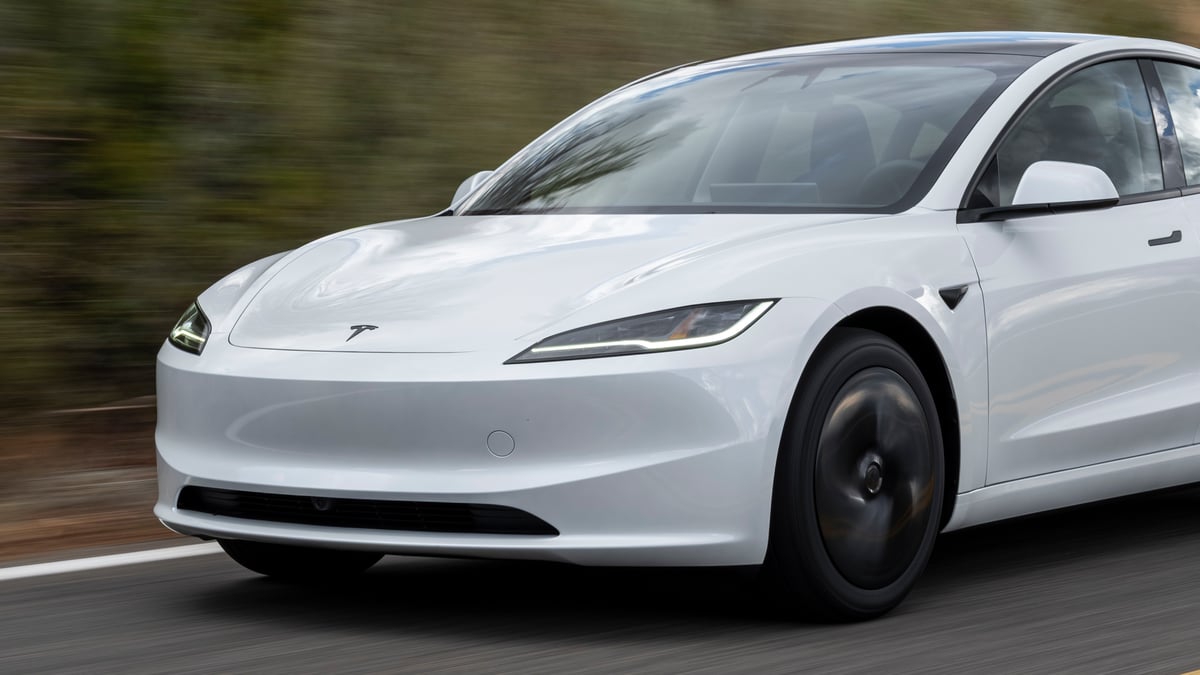
Tesla reported declining automotive revenue (-3%) and energy storage revenue (-16%) in Q3 2026, with flat vehicle sales over three years. Despite being fundamentally a car company with 75% revenue from vehicles, Tesla trades at a P/E of 200 based on future promises around autonomous vehicles and the Optimus robot. Analysts argue the stock looks overvalued as the company must prove it can grow beyond its core auto business to justify its $1.5 trillion market cap.
Our take is based on reporting first published by The Motley Fool.