
Donald Trump's 10% Global Tariff Expired on July 24. Its Section 301 Replacement Covers 60 Countries at Rates of 10% to 12.5%.
 2026-08-06 08:15
•Micah Zimmerman •The Motley Fool
•• ••
2026-08-06 08:15
•Micah Zimmerman •The Motley Fool
•• •• Axe Cap view
Tariff Shake-Up: What It Means for SA Investors
New Section 301 tariffs make global trade costs stickier, affecting importers and local producers differently.
The recent shift from a temporary 10% global tariff to more permanent Section 301 duties, covering 60 countries at 10-12.5%, signals a tougher trade environment. For South African investors, the key takeaway lies in the impact on imports and local producers. Companies relying heavily on imported goods or components—think retailers and tech importers—will face persistent cost pressures, likely squeezing margins. Conversely, domestic producers with local supply chains stand to benefit as they avoid these extra costs and may gain market share. Consider Sasol and Barloworld; Sasol’s global exposure means input costs could rise, while Barloworld might face higher import costs on some machinery they distribute, but their local orientation helps mitigate risks. On the banking front, imported inflation could push the rand weaker versus the dollar (USD/ZAR), adding currency costs for firms with foreign debt. Still, the rand’s reaction will depend on domestic factors like interest rates and commodity prices. The risk? If global supply chains adjust quickly, or tariffs are rolled back amid US policy shifts, importers could see relief sooner than expected. this is just our opinion and not financial advice
Trim exposure to import-heavy names like Sasol and stay cautious on retailers importing significant stock. Increase exposure to locally oriented counters like Standard Bank and Barloworld, who benefit from domestic economic resilience and less tariff risk.
- Sasol
- Barloworld
- USD/ZAR
- Sudden rollback or easing of tariffs by US administration
- Rand volatility driven by domestic political or economic developments
6/10
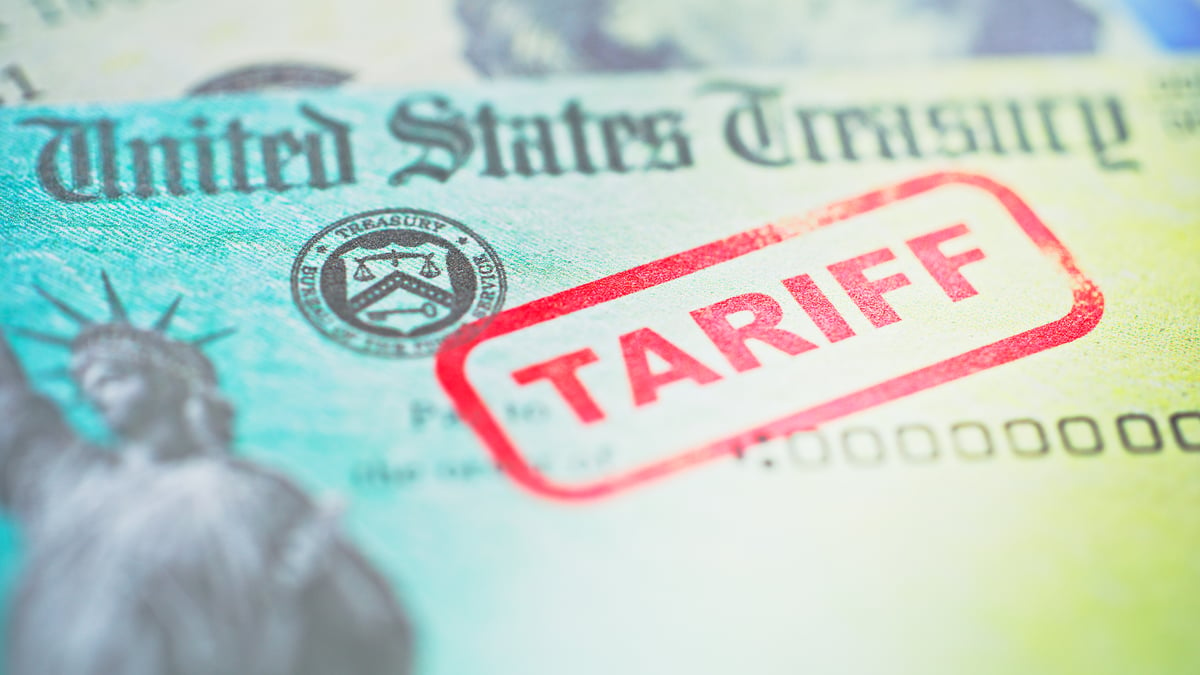
A temporary 10% global tariff expired on July 24 and was immediately replaced with new Section 301 duties covering 60 trading partners at 10-12.5% rates. The shift to Section 301 provides stronger legal footing, making these tariffs far more durable and likely permanent. Import-reliant companies face ongoing margin pressure, while domestic producers gain a competitive edge.
Our take is based on reporting first published by The Motley Fool.