
Warren Buffett Won His 10-Year Bet Against Hedge Funds. Here's What the S&P 500 Has Done Since It Ended.
 2026-10-25 04:41
•Daniel Sparks •The Motley Fool
•• ••
Axe Cap view
Buffett’s Bet Proves Power of Low-Cost Indexing
The S&P 500’s strong post-2017 gains highlight the advantages of passive investing over hedge funds.
Warren Buffett’s famous 2008-2017 wager showed that a simple, low-cost S&P 500 index fund crushed hedge funds mainly because fees eroded the latter’s returns. Since then, that same index fund has tripled, delivering about 15% annual returns excluding the 2008 crash. This underscores a crucial lesson for South African investors: costs matter, especially when comparing active managers on the JSE. Look at funds tied to local giants like Naspers or FirstRand – many charge fees that can eat into those gains in a market with less liquidity and higher volatility than the US. If you want steady market exposure without the premium, low-cost ETFs or index trackers, like those tracking the FTSE/JSE Top 40, make sense. On the currency side, remember the rand remains volatile versus the dollar (USD/ZAR) and can sway offshore returns on local holdings in unpredictable ways. That said, active funds might still have room to outperform during market stress here. We’re cautious but not dismissive. this is just our opinion and not financial advice
Trim active equity funds with high fees in your portfolio and increase holdings in low-cost JSE index trackers. Keep an eye on the rand’s moves, as a weak ZAR boosts offshore asset returns priced in dollars.
- FTSE/JSE Top 40 ETF
- USD/ZAR
- Rand volatility undermining offshore-margin gains
- Local market shocks reducing index returns
6/10
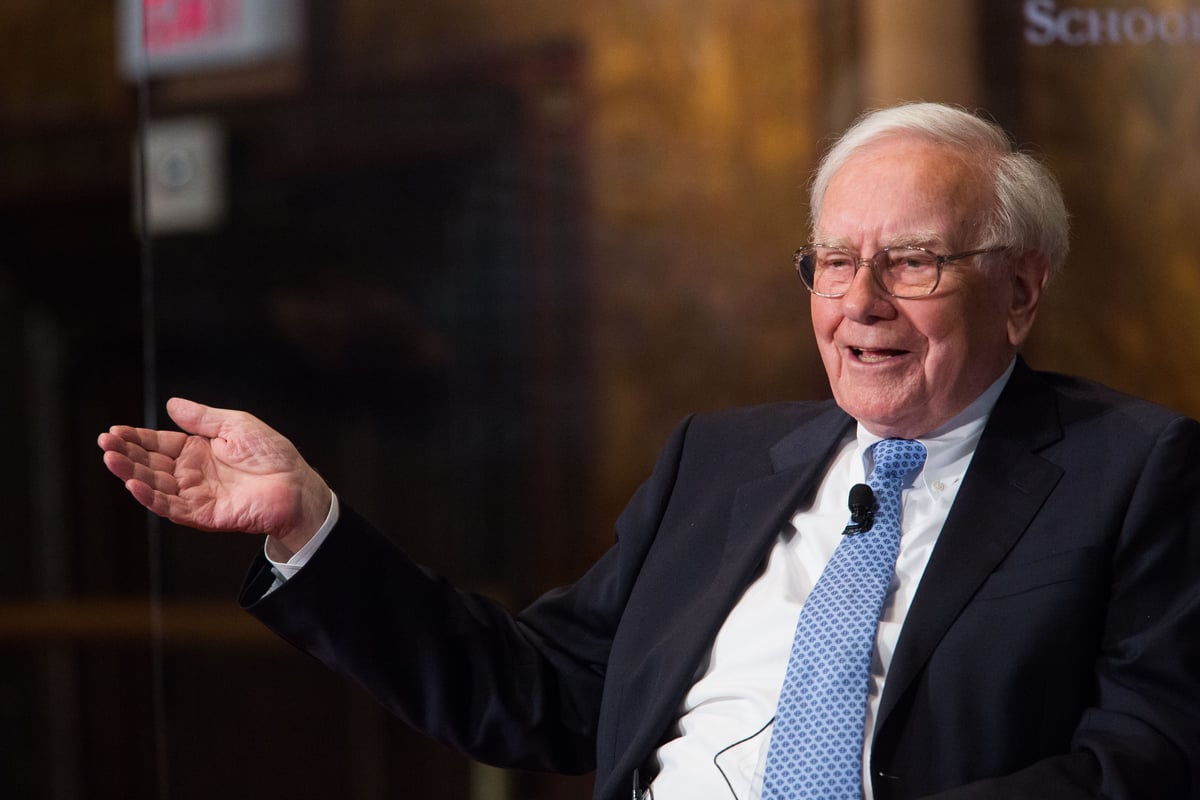
Warren Buffett's 2008-2017 bet proved that a low-cost S&P 500 index fund (125.8% return) significantly outperformed five hedge funds of funds (2.8%-87.7% returns), primarily due to high fees. Since the bet ended in 2017, the same index fund has more than tripled, gaining 233% through 2026. Excluding 2008's financial crisis, both periods showed similar ~15% annual returns, supporting Buffett's case for passive index investing over active hedge fund management.
Our take is based on reporting first published by The Motley Fool.