
Fed Chair Kevin Warsh Plays the Hawk But May Have a Dove Up His Sleeve
 2026-07-31 21:21
•Bram Berkowitz •The Motley Fool
•••• •
2026-07-31 21:21
•Bram Berkowitz •The Motley Fool
•••• • Axe Cap view
Warsh’s Hawkish Tone Masks a Softer Fed Approach
Despite tough talk on inflation, Fed signals hint at fewer US rate hikes, easing pressure on the rand.
Kevin Warsh’s recent hawkish rhetoric on inflation initially spooked markets, but the practical signals from the Federal Reserve tell a more dovish story. By focusing on alternative measures like trimmed-mean PCE inflation — which tends to smooth out volatile price swings — the Fed appears more comfortable with inflation near 2%. This shift is significant for the rand, as expectations for US rate hikes have softened sharply. The USD/ZAR has benefited from this reduced pressure, finding some breathing room after recent dollar strength. Local banks like Standard Bank and FirstRand, which are sensitive to both US rates and domestic credit demand, could see steadier earnings if the US doesn’t tighten further. That said, aggressive inflation or geopolitical shocks could still push the Fed back into tightening mode, which would reignite rand weakness. until there’s more clarity, stay selective in local financials, focusing on those with solid balance sheets and good growth prospects. this is just our opinion and not financial advice
Buy Standard Bank for its growth and resilience in a stable rate environment, but trim positions if US inflation surprises to the upside. Watch USD/ZAR closely for signs of renewed dollar strength.
- Standard Bank
- USD/ZAR
- US inflation re-acceleration
- Geopolitical shocks affecting risk appetite
7/10
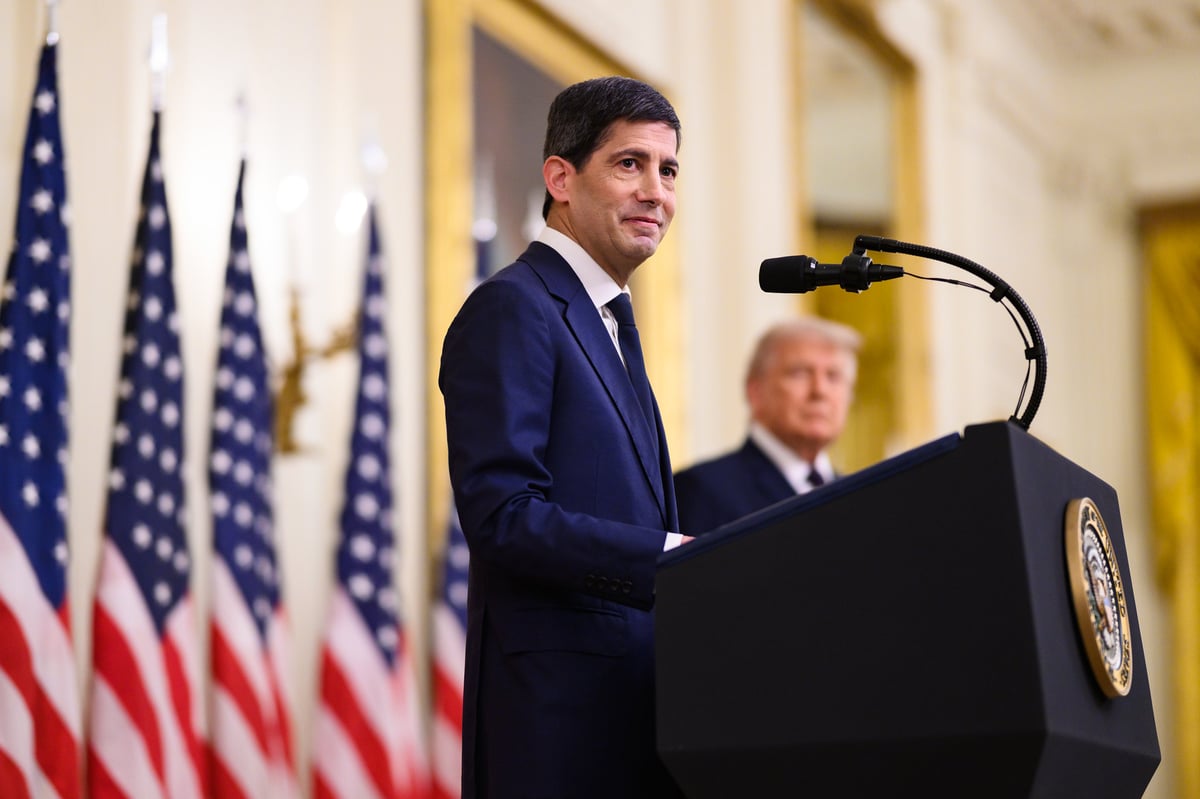
Fed Chair Kevin Warsh has publicly taken a hawkish stance on inflation, but recent comments suggest a more dovish approach. At the July FOMC meeting, rates were held steady, and Warsh hinted at using alternative inflation metrics like trimmed-mean PCE that would show inflation closer to the 2% target. Market expectations for rate hikes have shifted significantly, with the probability of a September rate hike dropping from 82% to 61%, while the likelihood of holding rates steady more than doubled to 39%.
Our take is based on reporting first published by The Motley Fool.