
Better Buy: Solana vs. XRP
 2026-10-24 10:30
•Bram Berkowitz •The Motley Fool
• •••
Axe Cap view
Solana vs. XRP: A Local Perspective on Crypto Networks
Solana edges out XRP in network activity and stablecoin adoption, but how does this really matter for South African investors?
Solana and XRP both promise lightning-fast blockchain transactions, with Solana pulling ahead thanks to over $16 billion in stablecoins circulating on its platform. Globally, this hints at vibrant network use and potential growth. But for South African investors, the real question is whether these developments translate into meaningful rand gains. Crypto remains a niche space here, with no direct JSE-listed proxies. Instead, we watch USD/ZAR closely—greater adoption of stablecoins on Solana might pressure dollars, potentially strengthening the rand if that flows back home. Still, the crypto world is volatile and regulatory crackdowns can quickly reverse gains. If stablecoins falter or global sentiment shifts, the USD/ZAR could weaken, hurting local buying power. Given this, Solana looks more dynamic than XRP, but pacing exposure through rand-hedged instruments or within a diversified offshore allocation is wiser. this is just our opinion and not financial advice
Favor a small, measured position in crypto exposure tilted towards Solana-themed funds or ETFs, while keeping a keen eye on USD/ZAR movements. Avoid direct speculation on XRP for now, as its future hinge on legal and regulatory outcomes is uncertain.
- Solana
- XRP
- USD/ZAR
- Regulatory changes impacting stablecoin operations globally
- Volatility in USD/ZAR exchange rate due to global risk sentiment shifts
5/10
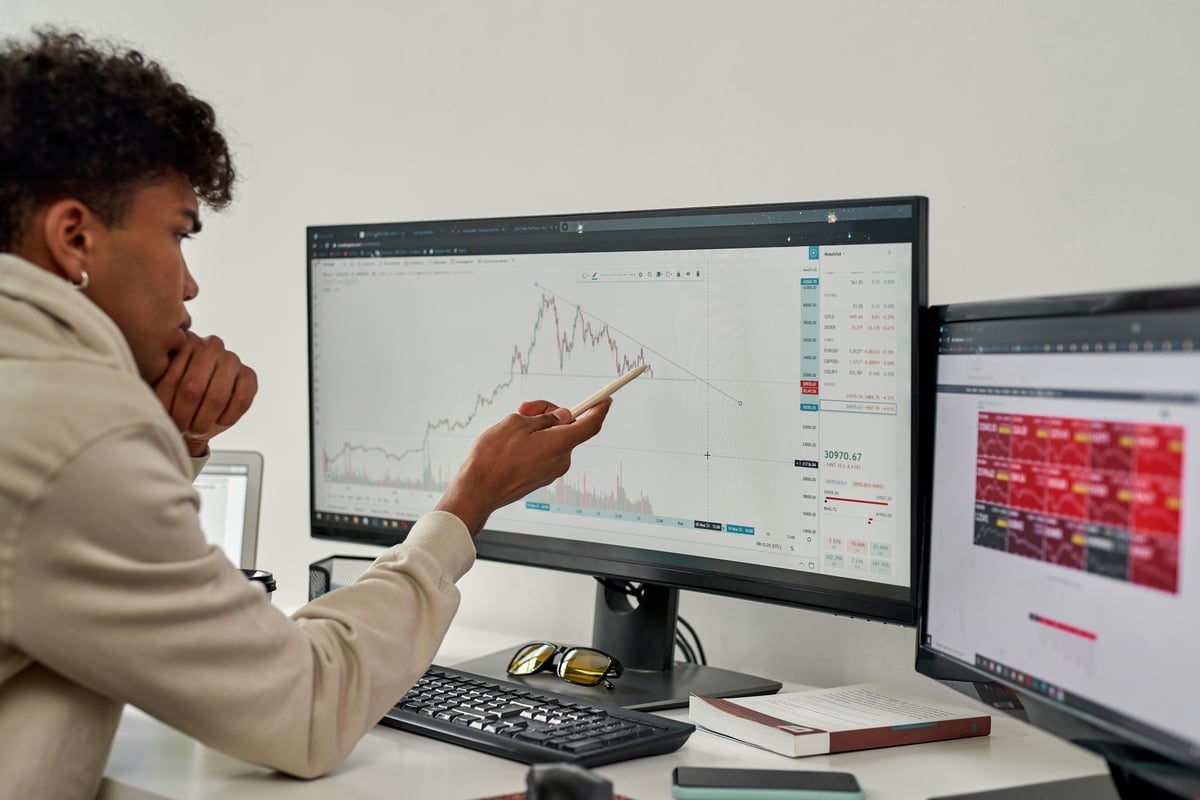
Crypto analyst compares two major blockchain networks: XRP (market cap $82B) and Solana (market cap $61B). Both operate fast blockchain networks capable of processing thousands of transactions per second. XRP is backed by Ripple, which offers payment solutions and stablecoins, while Solana has emerged as a leading network for stablecoin activity with over $16B in circulating supply. The analyst recommends Solana as the better buy due to higher network activity, greater transaction processing capacity, and stronger stablecoin adoption.
Our take is based on reporting first published by The Motley Fool.