
How to Earn $1,000 a Year from Energy Transfer Stock
 2026-07-21 16:18
•Eric Volkman •The Motley Fool
•••• ••
2026-07-21 16:18
•Eric Volkman •The Motley Fool
•••• •• Axe Capital view
Energy Transfer’s Steady Yield: Worth Watching from Afar
Energy Transfer offers a reliable 6.6% yield, but South Africans should weigh local alternatives first.
Energy Transfer is a giant in the U.S. energy pipeline space, serving 44 states with a massive network and boasting over a decade of steady distribution growth. Its 6.6% yield sounds tempting, especially with management targeting 3-5% annual increases. This dependable cash flow comes from fees, not commodity prices, making it less volatile than some oil bets. Yet, the direct play on Energy Transfer feels a bit distant for JSE investors. South African energy counters like Sasol offer exposure to both commodity price swings and local economic factors, which often have a more immediate impact on the rand and equity markets. Plus, currency risk is real here; fluctuations in USD/ZAR can eat into those attractive dividends. If you’re comfortable with cross-border exposure and keen to diversify, keep Energy Transfer on your radar. But for those focused on local fundamentals and the rand, Sasol remains a more straightforward choice. This view may miss out if U.S. energy infrastructure strengthens dramatically and the rand weakens further. this is just my opinion and not financial advice
For local investors, stay with Sasol for energy exposure while watching USD/ZAR closely; Energy Transfer units are worth considering only if comfortable with currency and regulatory risks abroad.
- Energy Transfer (ET)
- Sasol
- USD/ZAR
- Currency volatility impacting USD-denominated income
- U.S. regulatory changes on pipeline operations
6/10
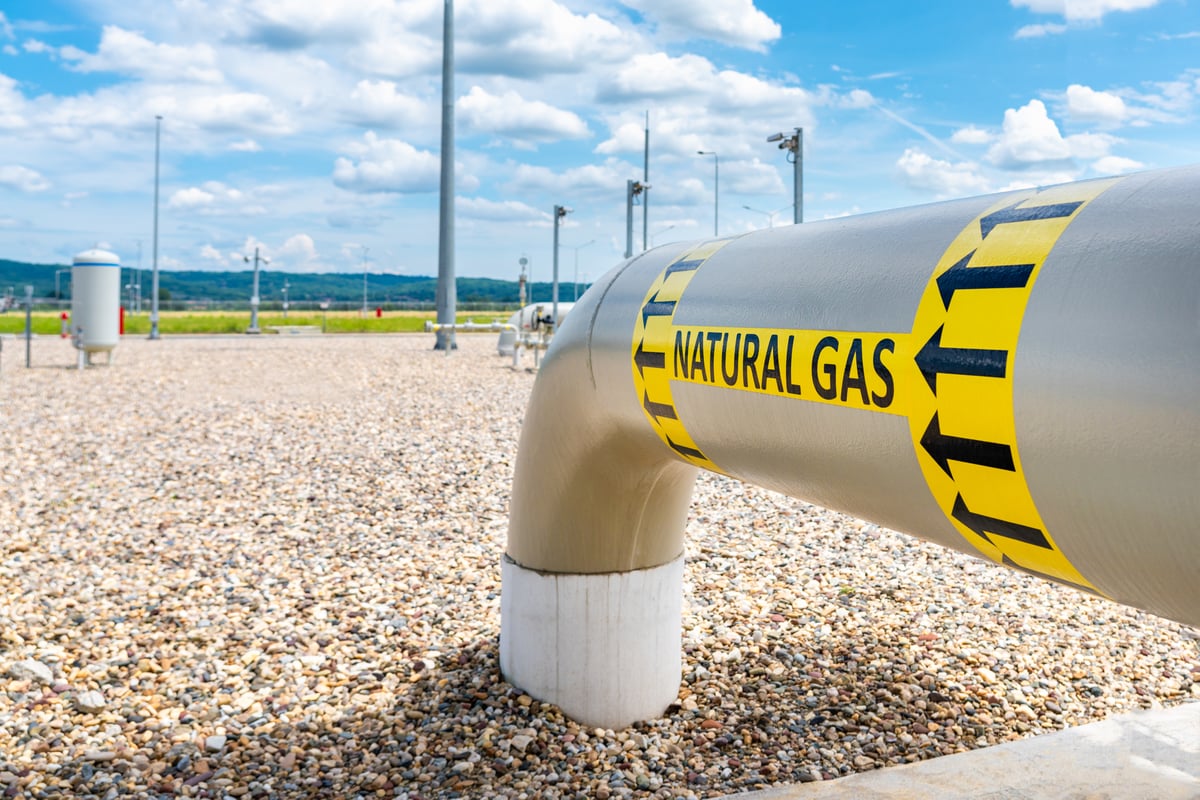
Energy Transfer, a master limited partnership (MLP) and the No. 1 U.S. energy pipeline operator, offers an attractive 6.6% yield through quarterly distributions. An investor would need approximately 741 units (costing ~$15,057) to generate $1,000 in annual income. The company benefits from its extensive 140,000-mile pipeline network across 44 states and has consistently increased distributions since 2006, with management targeting 3-5% annual growth.
This article was originally published by The Motley Fool and has been adapted here for Axe Capital Trading News.
Publisher: The Motley Fool
Author: Eric Volkman
Categories: Rates, Equities, Capital Returns, Commodities
Tickers: ET, ETPI
Sentiment: Positive - The article highlights Energy Transfer's strong market position as the No. 1 U.S. pipeline operator, generous 6.6% yield, consistent quarterly distribution increases since 2006, reliable free cash flow ($3.9-6.5 billion annually), and management's demonstrated ability to achieve 3-5% annual distribution growth targets. The company's size, reach, and fee-based business model provide stability and hedge against commodity price volatility.
Keywords: energy pipeline, master limited partnership, MLP, dividend yield, distributions, income investing, Permian Basin, free cash flow
Insights:
- ET: Positive: The article highlights Energy Transfer's strong market position as the No. 1 U.S. pipeline operator, generous 6.6% yield, consistent quarterly distribution increases since 2006, reliable free cash flow ($3.9-6.5 billion annually), and management's demonstrated ability to achieve 3-5% annual distribution growth targets. The company's size, reach, and fee-based business model provide stability and hedge against commodity price volatility.
- ETPI: Positive: The article highlights Energy Transfer's strong market position as the No. 1 U.S. pipeline operator, generous 6.6% yield, consistent quarterly distribution increases since 2006, reliable free cash flow ($3.9-6.5 billion annually), and management's demonstrated ability to achieve 3-5% annual distribution growth targets. The company's size, reach, and fee-based business model provide stability and hedge against commodity price volatility.