
3 Dividend Stocks That Didn't Need $100 Oil to Keep Raising Their Payouts
 2026-10-02 20:20
•Leo Sun •The Motley Fool
•••••• ••••
2026-10-02 20:20
•Leo Sun •The Motley Fool
•••••• •••• Axe Cap view
Why Some Energy Dividends Can Hold Up Below $100 Oil
Certain US energy firms prove dividend reliability doesn’t require sky-high oil prices, a lesson for SA investors watching resource income.
Most investors assume energy dividends need $100-plus oil to stay juicy. But US firms like Occidental Petroleum (OXY) and Energy Transfer (ET) tell a different story. OXY only needs around $40 per barrel WTI to cover capex and dividends, thanks to a conservative 30% payout ratio. Its cash flow benefits from recent asset acquisitions, underlining durability. Energy Transfer’s midstream pipeline model collects fees independent of oil prices, resulting in steady distribution growth and a healthy 6.8% yield. South Africa’s Sasol looks expensive by comparison—it depends heavily on higher oil prices and commodity cycles. For locals, the USD/ZAR exchange rate is a critical backdrop: a weaker rand fuels inflation but can buoy commodity exporters, though it offers little comfort to energy importers like Sasol. If global oil prices slump below $40, even these US giants might feel pressure, and rand volatility adds complexity. That said, this invites a selective approach to energy income stocks on the JSE, favouring companies less price-exposed than Sasol. this is just our opinion and not financial advice
Avoid Sasol for now and watch US midstream models like ET as a reference for income stability. Use USD/ZAR to gauge risks in local energy shares sensitive to oil price swings.
- USD/ZAR
- Sasol
- Energy Transfer (ET)
- Oil price collapse below $40/barrel
- Sharp rand depreciation increasing local inflation
6/10
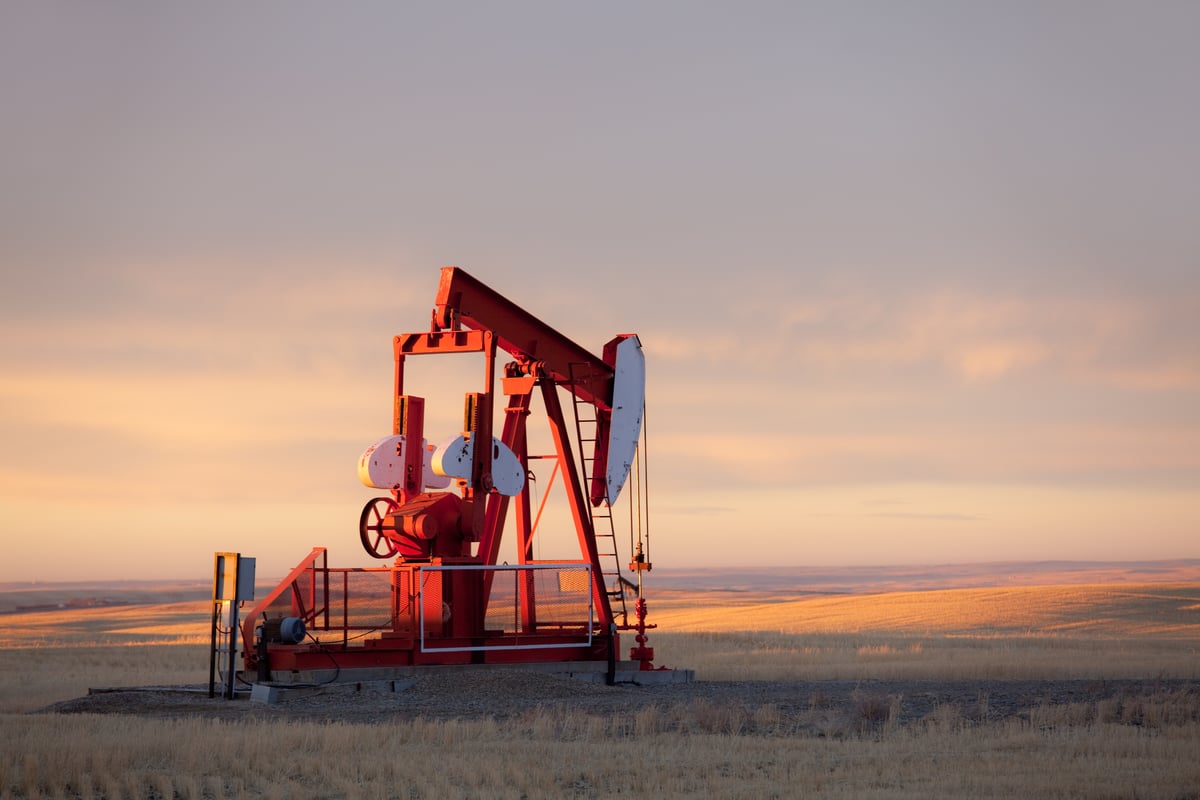
Three energy companies—Occidental Petroleum, ExxonMobil, and Energy Transfer—can sustain and grow their dividends even if oil prices fall significantly below $100 per barrel. Oxy needs only $40/barrel WTI, ExxonMobil requires $35/barrel Brent, and Energy Transfer's pipeline toll model is insulated from commodity price volatility. All three have demonstrated consistent dividend growth and maintain healthy payout ratios.
Our take is based on reporting first published by The Motley Fool.