
NASA Searches Couch Cushions, Finds Another $600 Million for Moon Missions
 2026-08-01 11:07
•Rich Smith •The Motley Fool
•• •••
2026-08-01 11:07
•Rich Smith •The Motley Fool
•• ••• Axe Cap view
NASA’s Moon Contracts: A Glimpse Beyond Earth, but What About JSE?
NASA’s fresh $600 million lunar contracts highlight space’s high costs and distant profits, with implications for how we view risk and opportunity in tech themes here at home.
NASA’s recent lunar contracts show just how costly and long-term space investments can be. The $600 million split among Astrobotic, Intuitive Machines, and Firefly Aerospace underlines that winning government deals doesn’t mean quick profits. For South African investors, this reinforces why tech ventures on the JSE, like Prosus or Naspers, which offer exposure to global innovation but with more established cash flows, may remain preferable. The USD/ZAR rate will be a good barometer of risk appetite as these high-concept projects ramp up: a weaker rand could hit tech earnings as they import costs or raise costly capital overseas. If the rand proves resilient, we can consider selectively watching tech themes, but given the timelines to profitability here and abroad, patience is critical. A rapid market correction or geopolitical tensions could derail even the best-laid plans for space and tech investments. this is just our opinion and not financial advice
Trim exposure to high-risk, long-horizon tech bets on the JSE and hold Naspers or Prosus for steady global tech exposure. Monitor USD/ZAR closely and stay cautious with speculative ventures tied to USD funding.
- USD/ZAR
- Naspers
- Prosus
- USD/ZAR volatility impacts foreign earnings
- Long timeline to profitability in tech aerospace ventures
6/10
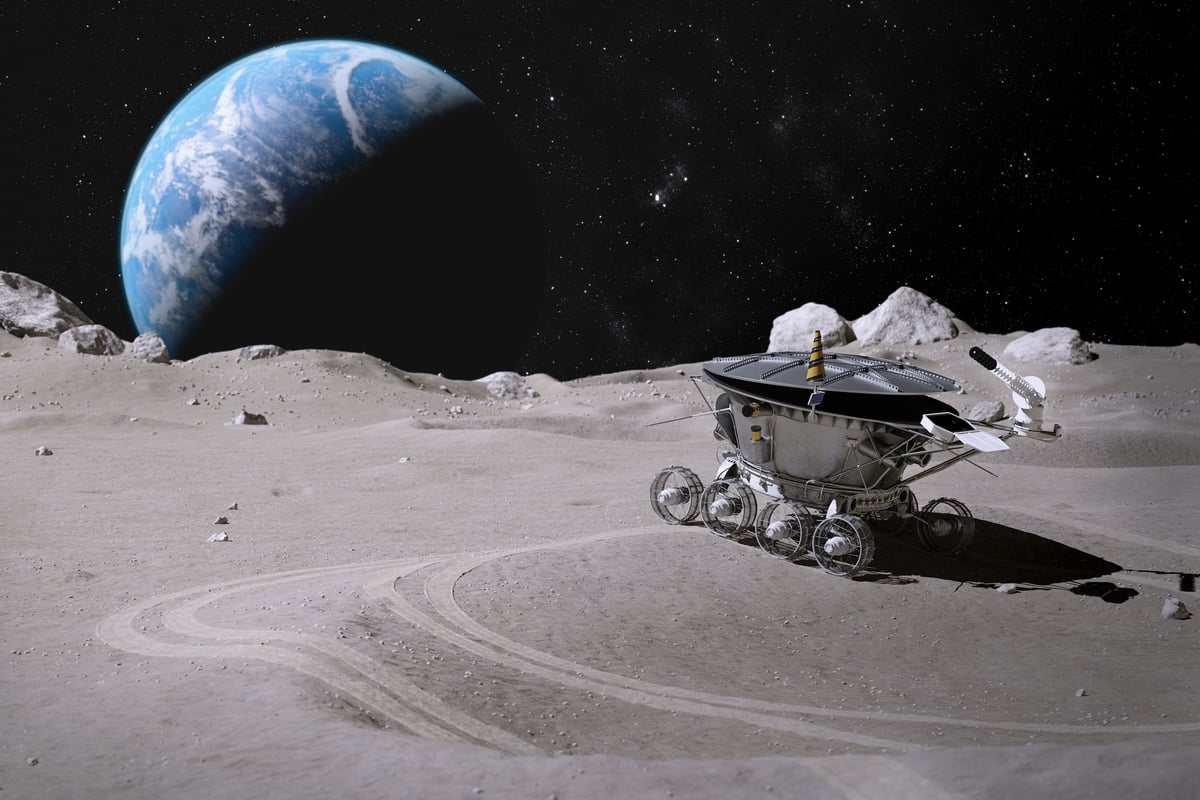
NASA announced nearly $600 million in new lunar landing contracts split among three space companies to support its moon base construction plans. Astrobotic received the largest award at $297.9 million for two payload deliveries, while Intuitive Machines and Firefly Aerospace each received $148.3 million and $144.2 million respectively for single payload deliveries. However, profitability timelines remain distant for these contractors.
Our take is based on reporting first published by The Motley Fool.