
Billionaire Ken Griffin Is Buying This Dividend King That Wall Street Still Rates a Buy
 2026-10-26 06:30
•Matthew Benjamin •The Motley Fool
•••• •
Axe Cap view
Should South Africans Follow Ken Griffin into AbbVie?
Ken Griffin’s Citadel Advisors just raised their bet on AbbVie, a pharma giant known for paying steady dividends.
Ken Griffin’s recent aggressive buy into AbbVie is eye-catching, especially given its 24% rally this year. AbbVie isn’t a typical South African play, but its steady dividend streak—50 years of increases—makes it rare global blue-chip income. The pharma’s FDA nod for Juvmo, targeting Parkinson's, adds a promising growth leg alongside stalwarts like Humira and Botox. For rand-based investors, AbbVie’s USD-denominated dividends come with forex risk—if the rand weakens against the dollar, your returns could improve, but a stronger rand may erode them. Also, the 74 times earnings valuation is steep by local standards, making timing crucial. If the pipeline falters or new regulations hurt margins, the thesis crumbles. Investors more comfortable with domestic names may find financials like FirstRand or Sanlam more straightforward. But if you want yield exposure beyond local markets, AbbVie is worth watching. this is just our opinion and not financial advice
Watch the USD/ZAR closely and consider a small position in AbbVie for dividend income and global pharma exposure, but don't overcommit given the high valuation and currency risk.
- ABBV
- USD/ZAR
- AbbVie’s high valuation could pressure returns if growth slows
- Rand strengthening reduces rand-based dividend income
6/10
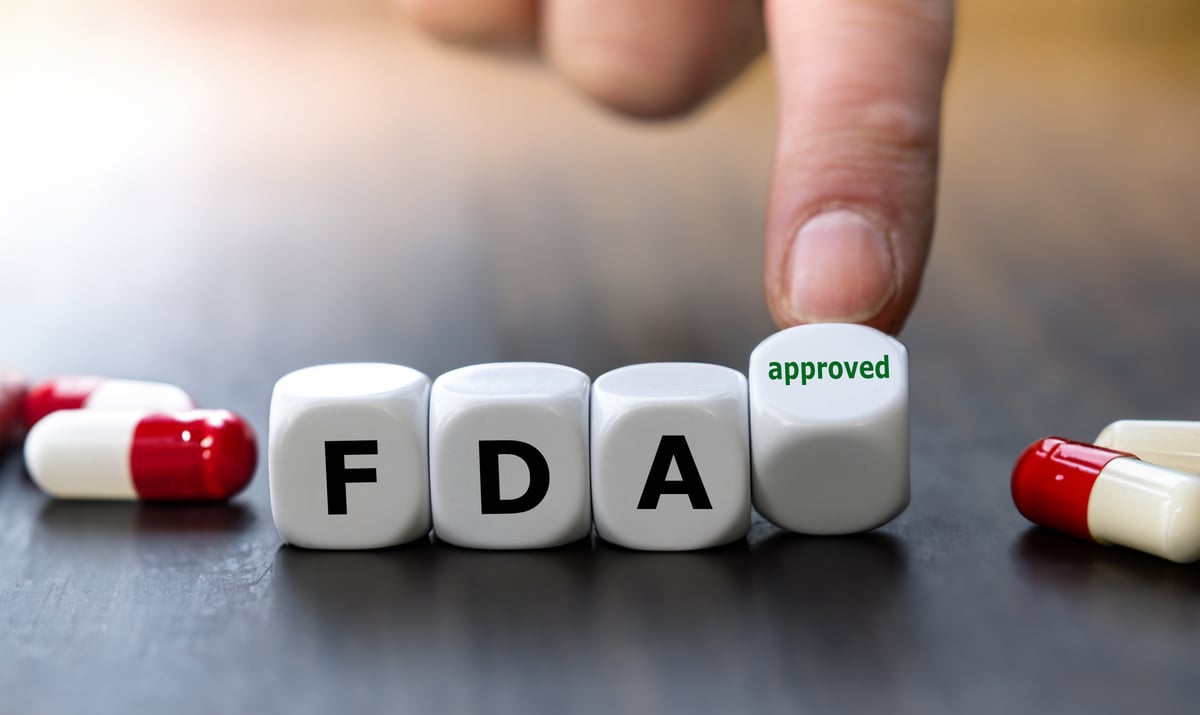
Ken Griffin's Citadel Advisors has significantly increased its stake in pharmaceutical company AbbVie, purchasing 2.7 million shares in Q2 for $633 million. Despite the stock's 24% year-to-date run-up and high valuation at 74x trailing earnings, AbbVie remains attractive as a Dividend King with 50 consecutive years of dividend increases. The company boasts blockbuster drugs like Skyrizi and Humira, plus a robust pipeline of 90 treatments in development. Recent FDA approval of Juvmo for Parkinson's disease and analyst bullishness support the investment thesis.
Our take is based on reporting first published by The Motley Fool.