
Jensen Huang Told CES 2026 That Memory Is Now the Biggest Bottleneck in AI. Micron and Sandisk Have Outperformed Nvidia's Stock Ever Since.
 2026-07-18 19:22
•Jack Delaney •The Motley Fool
••••• •••
2026-07-18 19:22
•Jack Delaney •The Motley Fool
••••• ••• Axe Capital view
Memory Chips Steal AI Spotlight from Nvidia
AI’s hunger for memory is shifting investor focus from Nvidia to chipmakers like Micron and Sandisk.
Jensen Huang’s CES 2026 comment about memory being AI’s biggest bottleneck has sparked a notable shift in market dynamics. Nvidia’s role in AI hardware remains crucial, but the spotlight is now on memory chip producers like Micron and Sandisk. Their stocks have soared this year—Micron up about 200%, SanDisk a staggering 500%—as massive contracts secure their place in AI data centers. For South Africa, this trend underscores why USD/ZAR movements matter more than Nvidia itself. A stronger dollar could pressure our import-dependent tech sector, while banks exposed to global tech funding might face mixed impacts. Local tech proxies like Naspers and Prosus are unlikely to mirror Nvidia's stall since their growth is tied more to internet services than chipmaking. This memory demand surge confirms that AI’s infrastructure needs are evolving beyond GPUs alone. But if new tech reduces memory dependency or global chip supply chains ease, these winners could lose steam. this is just my opinion and not financial advice
I’d watch Micron and SanDisk closely but prefer USD/ZAR as the local actionable asset, staying cautious on Naspers and Prosus until clearer read-through emerges.
- USD/ZAR
- Micron Technology (MU)
- Breakthrough reducing memory need in AI
- Improving global chip supply chains hurting pricing power
6/10
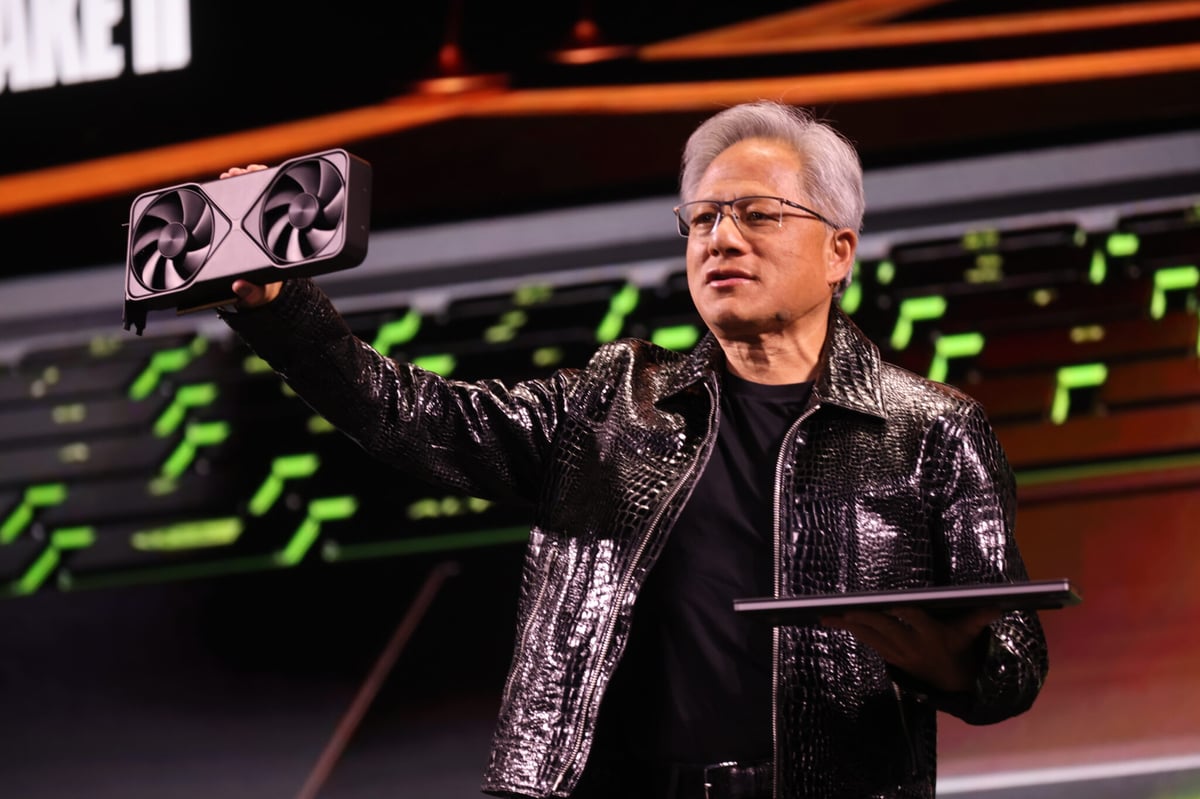
Nvidia CEO Jensen Huang highlighted at CES 2026 that memory is becoming the critical bottleneck in AI development as large language models require increasing storage capacity. Memory and storage chip manufacturers Micron Technology and Sandisk have significantly outperformed Nvidia's stock since then, with both companies reporting surging revenues driven by AI infrastructure demand. Both companies are securing long-term customer contracts worth billions to stabilize their typically cyclical business.
This article was originally published by The Motley Fool and has been adapted here for Axe Capital Trading News.
Publisher: The Motley Fool
Author: Jack Delaney
Categories: Equities, Earnings, Technology, AI, Semiconductors
Tickers: MU, SNDK, NVDA
Sentiment: Positive - Stock up nearly 200% in 2026 with surging revenue ($41.4B in Q3 FY2026 vs $37.3B full year 2025), driven by cloud and data center divisions. Signed 16 strategic customer agreements with $22B in commitments, positioning it well for sustained AI-driven demand. Stock skyrocketed nearly 500% in 2026 with 251% revenue growth in Q3 FY2026 to $5.9B. Signed three major contracts worth at least $42B in contractual revenue, benefiting from strong AI data center and edge computing demand.
Keywords: AI memory bottleneck, data center demand, memory chips, storage capacity, long-term contracts, AI infrastructure
Insights:
- MU: Positive: Stock up nearly 200% in 2026 with surging revenue ($41.4B in Q3 FY2026 vs $37.3B full year 2025), driven by cloud and data center divisions. Signed 16 strategic customer agreements with $22B in commitments, positioning it well for sustained AI-driven demand.
- SNDK: Positive: Stock skyrocketed nearly 500% in 2026 with 251% revenue growth in Q3 FY2026 to $5.9B. Signed three major contracts worth at least $42B in contractual revenue, benefiting from strong AI data center and edge computing demand.
- NVDA: Neutral: While Nvidia's CEO correctly identified the memory bottleneck opportunity, the company's stock has only climbed 11% in 2026, significantly underperforming memory and storage suppliers Micron and Sandisk, suggesting investors are rotating toward the actual memory/storage beneficiaries.
Related coverage
- Mark Zuckerberg's Meta and Other Hyperscalers Face a Major Bottleneck. Here Are 2 Industrial Stocks That Will Benefit
- Chubb Trades at Just 12 Times Earnings, Well Below the Broader Market. Is One of the World's Biggest Insurers a Bargain?
- IHE vs IXJ: Which Popular Healthcare ETF Is the Better Buy for Investors?