
Can GE Vernova's Gas Turbines Make Up for a Collapsing Wind Business?
 2026-10-25 12:30
•James Brumley •The Motley Fool
•••••• •
Axe Cap view
GE Vernova’s Gas Turbines Offset Wind Slump, But What About SA Energy Stocks?
GE Vernova’s sharp wind business decline is offset by booming gas turbine orders, offering a mixed signal for energy investors.
GE Vernova’s Q2 numbers tell an intriguing story: while wind turbine revenue fell 11% and orders dropped by 40%, their natural gas turbines surged with 14% revenue growth and a staggering 135% increase in orders. This diversification stabilizes their power division, and a record $24.2 billion backlog shows strong demand beyond reliant AI data centers. For South African investors, this raises questions about local energy plays. Sasol, heavily invested in gas and energy transition, may find this a positive sign, but the global push for renewables means the wind side isn’t disappearing—it’s just evolving. Still, Sasol's shares are volatile, subject to oil price swings and rand currency moves. If the transition to cleaner gas tech slows or renewables bounce back strongly, Sasol could face headwinds. The USD/ZAR could also tighten or ease depending on how global energy prices and geopolitical risks unfold. Watch these dynamics closely, but be ready to adjust exposure swiftly. this is just our opinion and not financial advice
We would watch Sasol for potential buying opportunities on dips, given the mixed energy sector signals, but avoid increasing exposure until clarity emerges on global gas demand. Hold USD/ZAR positions hedged, as rand volatility will remain tied to energy prices and risk sentiment.
- Sasol
- USD/ZAR
- Global energy policy shifts reducing gas demand
- Volatile oil prices impacting Sasol and rand
6/10
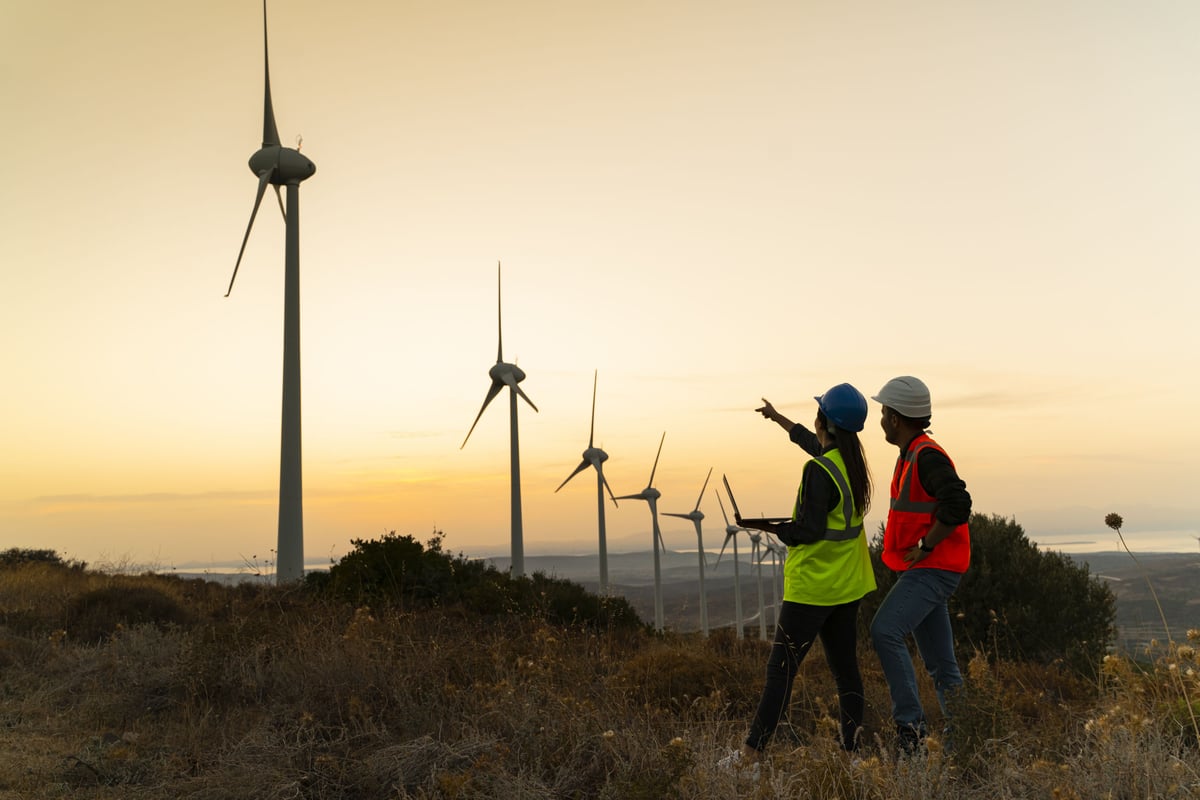
GE Vernova's wind turbine business is declining sharply with Q2 revenue down 11% and orders down 40%, but this is being offset by strong growth in its natural gas turbine business, which saw 14% revenue growth and 135% order growth. The company's total combined orders reached a record $24.2 billion in Q2, with only 20% of the power division backlog from AI data centers, reducing dependency on that sector.
Our take is based on reporting first published by The Motley Fool.