
Memory Stocks Are Plummetting. Jensen Huang Says the Bears Have It Wrong.
 2026-10-24 02:55
•Jeremy Bowman •The Motley Fool
••••• •••••
Axe Cap view
Memory Stocks: Cheap Now, But the Wait May Hurt
While Nvidia’s CEO expects memory shortages to last years, current market pain reflects real cyclical risks.
Memory chip stocks like Micron (MU) have cratered by about a third since July. On the surface, this looks like a bargain given Micron’s dirt-cheap forward earnings multiples and fat profit margins north of 80%. Nvidia’s CEO Jensen Huang insists the memory supply crunch won’t ease until after 2029, arguing AI-driven demand from robotics and autonomous vehicles will keep these stocks in the winners’ circle. But don’t ignore the elephant in the room: semiconductor cycles are notoriously volatile. Debt yields rising hit levered names like Crew Capital (CRWV) hard, reminding us earnings could disappoint before these ‘promise years’ arrive. For South African investors, the bigger picture is the USD/ZAR currency; a weaker rand could cushion returns on dollar-denominated chips. This makes the timing of entry critical. Buy now and hold long term? Possibly. But be prepared for a rough patch — these stocks are cyclical, not a guaranteed bonanza. this is just our opinion and not financial advice
For now, buy small positions in Micron, favoring quality cash flows over high debt names like Crew. Watch USD/ZAR closely—ramps in the dollar can offset local gains but beware sharp reversals. Avoid IPO-exposed stocks like SK Hynix for now.
- MU
- CRWV
- USD/ZAR
- Prolonged semiconductor supply oversupply delaying profits
- Rising US debt yields pressuring leverage-heavy memory firms
6/10
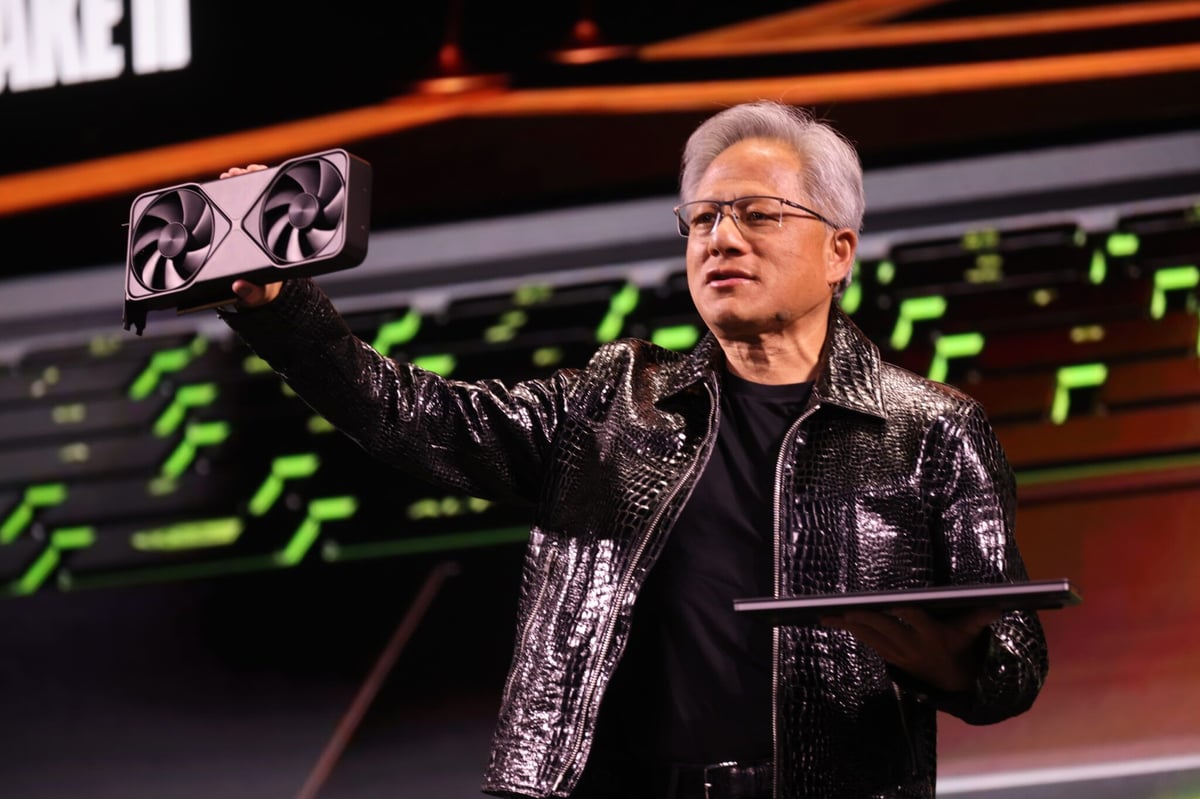
Memory chip stocks have declined roughly one-third from their July peak amid investor concerns about cyclical oversupply and rising debt yields. However, Nvidia CEO Jensen Huang argues the shortage won't ease until after 2029, and memory stocks trade at attractive valuations with extreme profit margins. The article suggests memory stocks may be undervalued given long-term AI demand from robotics and autonomous vehicles.
Our take is based on reporting first published by The Motley Fool.